


Hey there! I'm a supplier of red marble, and I often get asked, "What kind of sealer is best for red marble?" Well, let's dive right into this topic and find out.
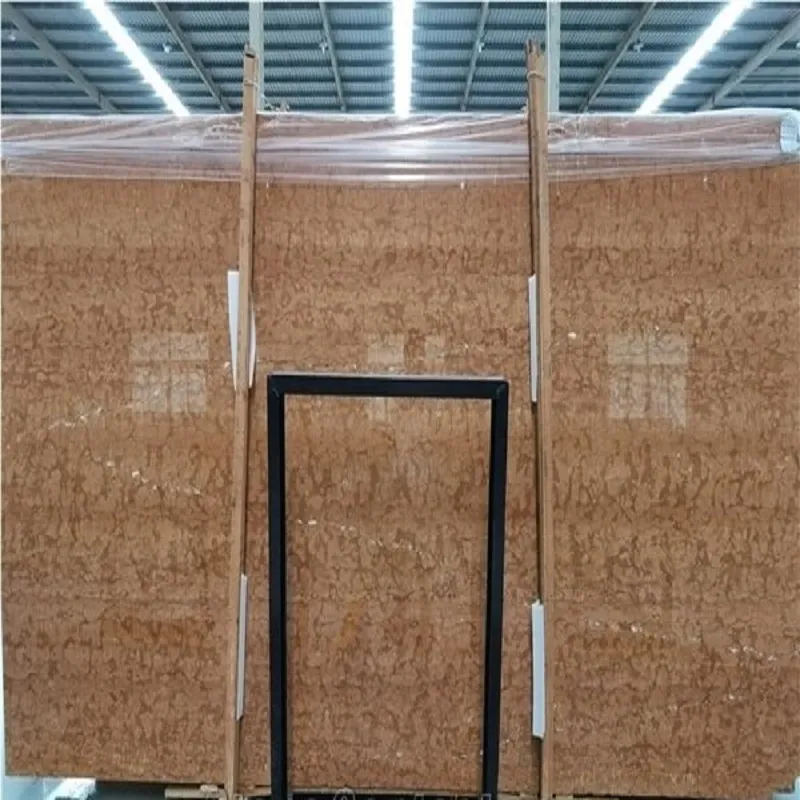
First off, let me tell you a bit about red marble. Red marble is a beautiful and luxurious natural stone. It can add a touch of elegance and sophistication to any space, whether it's a residential kitchen countertop, a bathroom vanity, or a commercial building's lobby floor. We've got some excellent red marble options like the Luxury Burberry Pink Marble Slab, which has this unique and eye - catching pattern. Then there's the Vermelho Colinas Red Marble Stone Slab For Iconic Interiors, perfect for creating those iconic interior looks. And of course, the classic Italy Red Rosso Verona Marble Slab, known for its rich red color and high - end appeal.
Now, why do we need to seal red marble? Red marble, like all natural stones, is porous. That means it can absorb liquids and stains over time. If you spill a glass of red wine on an unsealed red marble surface, for example, it could leave a permanent stain. Sealing the marble helps to create a protective barrier on the surface, preventing liquids from seeping in and keeping the marble looking pristine for longer.
When it comes to choosing the best sealer for red marble, there are a few types to consider.
Penetrating Sealers
Penetrating sealers are a popular choice. These sealers work by getting into the pores of the marble. They don't form a visible layer on the surface, so the natural look and feel of the red marble are preserved. They're great for areas where you want the marble to look as natural as possible, like a marble floor in a high - end hotel lobby.
One of the advantages of penetrating sealers is that they are durable. They can withstand foot traffic, light abrasion, and normal wear and tear. However, they do need to be reapplied every few years, depending on the amount of use the surface gets. Some high - quality penetrating sealers can last up to 5 years, but in high - traffic areas, it might be advisable to re - seal every 1 - 2 years.
Topical Sealers
Topical sealers, on the other hand, form a thin layer on the surface of the red marble. This layer acts as a physical barrier against stains and spills. They're often used in areas where there's a higher risk of staining, such as a kitchen countertop.
Topical sealers can give the marble a shiny or glossy finish, which some people really like. But there are also drawbacks. The shiny finish can make scratches and scuffs more noticeable. And if the sealer starts to wear off, it can look patchy. Re - applying topical sealers can also be a bit more of a hassle because you have to make sure the surface is completely clean and free of the old sealer before applying a new coat.
Impregnating Sealers
Impregnating sealers are similar to penetrating sealers in that they penetrate the pores of the marble. But they focus more on repelling water and oils. Red marble is prone to staining from both water - based and oil - based substances, so impregnating sealers can be a great all - around solution.
These sealers are usually very effective at preventing stains. They're also quite long - lasting, but they may not provide as much protection against physical damage as some other types of sealers.
Factors to Consider When Choosing a Sealer
- Location: Where the red marble is installed matters a lot. For a bathroom, a sealer that's resistant to water and soap scum is a must. In a kitchen, it should be able to handle spills from food, oil, and acidic substances like lemon juice. For outdoor applications, the sealer needs to be able to withstand weather conditions, like UV rays and temperature changes.
- Finish: Do you want the marble to have a natural, matte finish or a shiny, polished look? Penetrating and impregnating sealers usually maintain the natural finish, while topical sealers can change the appearance.
- Maintenance: Consider how much time and effort you're willing to put into maintaining the sealer. Some sealers require more frequent re - application and special cleaning products.
Application Tips
No matter which sealer you choose, proper application is key. Here are some general tips:

- Clean the Surface: Before applying the sealer, make sure the red marble surface is clean and dry. Use a mild, non - acidic cleaner to remove any dirt, grime, or stains.
- Test in a Small Area: Always test the sealer in a small, inconspicuous area first. This will help you see how the sealer affects the color and finish of the marble.
- Follow the Instructions: Read the sealer's instructions carefully. Different sealers have different application methods, drying times, and curing times.
In conclusion, there's no one - size - fits - all answer to the question of what the best sealer for red marble is. It depends on your specific needs and the conditions the marble will be exposed to. If you're still not sure which sealer to choose for your red marble project, don't hesitate to reach out. We're here to help you make the right decision and ensure your red marble looks amazing for years to come. Whether you're interested in the Luxury Burberry Pink Marble Slab, Vermelho Colinas Red Marble Stone Slab For Iconic Interiors, or Italy Red Rosso Verona Marble Slab, we can guide you through the process of choosing and applying the right sealer. So, if you're thinking about a red marble project and want to discuss your options for sealing, just get in touch with us. We're ready to assist you with all your red marble and sealer needs!
References
- "Marble Sealing Guide" - Stone Industry Association
- "Natural Stone Care and Maintenance" - International Association of Stone Fabricators