


Grey granite slabs are not only a symbol of elegance and durability but also a valuable commodity in the construction and interior design industries. As a grey granite supplier, I understand the importance of proper storage to maintain the quality and appearance of these slabs. In this blog, I will share the best ways to store grey granite slabs, ensuring they remain in pristine condition until they reach their final destination.
Understanding Grey Granite
Before delving into storage methods, it's essential to understand the nature of grey granite. Grey granite is an igneous rock composed mainly of quartz, feldspar, and mica. It is known for its hardness, durability, and resistance to heat and scratches. However, it is also porous, which means it can absorb liquids and stains if not properly sealed. Different types of grey granite, such as Gili White Light Grey Granite, Bala Flower Granite, and White Ocean Grey Granite, may have unique characteristics that need to be considered during storage.
Storage Conditions
Temperature and Humidity
The ideal storage temperature for grey granite slabs is between 50°F and 80°F (10°C and 27°C). Extreme temperatures can cause the granite to expand or contract, leading to cracks or other damage. High humidity can also promote the growth of mold and mildew, which can stain the granite. Therefore, it is crucial to store the slabs in a climate-controlled environment with a relative humidity of 40% to 60%.

Ventilation
Proper ventilation is essential to prevent the buildup of moisture and odors in the storage area. Good airflow helps to keep the granite dry and reduces the risk of mold and mildew growth. Ensure that the storage facility has adequate ventilation systems, such as exhaust fans or open windows, to maintain a fresh and dry environment.
Lighting
Direct sunlight can cause the color of grey granite to fade over time. Therefore, it is best to store the slabs in a shaded area or use UV-blocking curtains or blinds to protect them from sunlight. If artificial lighting is used, choose low-intensity, non-heat-generating lights to avoid overheating the granite.
Storage Methods
Vertical Storage
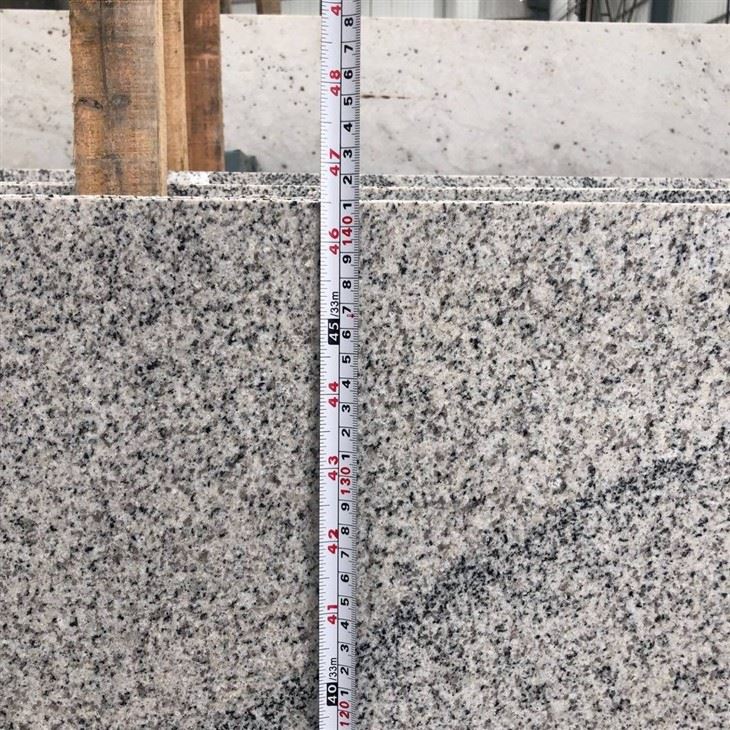
Vertical storage is one of the most common and recommended methods for storing grey granite slabs. When stored vertically, the slabs are less likely to warp or bend, and they take up less floor space. To store the slabs vertically, use a sturdy rack or storage system designed specifically for granite. Make sure the rack is level and stable to prevent the slabs from falling or shifting. Place a soft padding, such as felt or rubber, between the slabs to prevent scratching.
Horizontal Storage
Horizontal storage can be used for short-term storage or when space is limited. However, it is important to note that horizontal storage increases the risk of warping and bending, especially if the slabs are not supported properly. When storing the slabs horizontally, place them on a flat, level surface, such as a concrete floor or a wooden pallet. Use a sufficient number of supports, such as wooden blocks or foam pads, to distribute the weight evenly and prevent the slabs from sagging.
Stacking
Stacking grey granite slabs can save space, but it should be done carefully to avoid damage. When stacking the slabs, make sure they are clean and dry to prevent staining. Place a soft padding between each slab to prevent scratching. Stack the slabs in a stable and secure manner, with the heaviest slabs at the bottom and the lightest at the top. Avoid stacking the slabs too high to prevent them from toppling over.
Protection and Maintenance
Sealing
Sealing the grey granite slabs before storage can help to protect them from stains and moisture. A high-quality granite sealer creates a protective barrier on the surface of the granite, preventing liquids from penetrating and causing damage. Follow the manufacturer's instructions for applying the sealer, and allow it to dry completely before storing the slabs.
Cleaning
Regular cleaning is essential to maintain the appearance of the grey granite slabs during storage. Use a mild, pH-neutral cleaner and a soft cloth or sponge to clean the surface of the granite. Avoid using abrasive cleaners or scrubbers, as they can scratch the granite. After cleaning, dry the slabs thoroughly to prevent water spots and stains.
Inspection
Periodically inspect the grey granite slabs for any signs of damage, such as cracks, chips, or stains. If any damage is detected, take immediate action to repair or replace the affected slabs. Regular inspections can help to identify potential problems early and prevent them from getting worse.
Handling and Transportation
Handling
When handling grey granite slabs, it is important to use proper lifting techniques and equipment to avoid injury and damage. Use a forklift or a hoist with a specialized granite lifting attachment to lift the slabs. Make sure the lifting equipment is in good working condition and has a sufficient weight capacity. When moving the slabs, keep them level and stable to prevent them from tipping or shifting.
Transportation
During transportation, the grey granite slabs should be properly secured to prevent them from moving or shifting. Use a flatbed truck or a specialized granite transportation vehicle to transport the slabs. Place a soft padding, such as foam or rubber, between the slabs and the vehicle to prevent scratching. Make sure the slabs are covered with a tarp or a protective cover to protect them from the elements.
Conclusion
Proper storage of grey granite slabs is crucial to maintain their quality and appearance. By following the guidelines outlined in this blog, you can ensure that your grey granite slabs remain in pristine condition until they are ready to be used. Remember to consider the unique characteristics of different types of grey granite, such as Gili White Light Grey Granite, Bala Flower Granite, and White Ocean Grey Granite, and choose the appropriate storage methods and conditions accordingly.
If you are interested in purchasing high-quality grey granite slabs, please feel free to contact us for more information. We are committed to providing our customers with the best products and services, and we look forward to working with you on your next project.
References
- "Granite Storage and Handling Guidelines." National Stone Institute.
- "How to Store Granite Countertops." Home Guides, SF Gate.
- "Proper Storage of Natural Stone." Stone World Magazine.