


Quartzite is a beautiful and durable natural stone that has gained popularity in various applications, especially in interior design and architecture. As a quartzite supplier, I often encounter questions from customers regarding the care and maintenance of this exquisite material. One of the most common concerns is what to do if quartzite comes into contact with acid. In this blog post, I will delve into the nature of quartzite, the effects of acid on it, and the steps you should take to address such a situation.
Understanding Quartzite
Quartzite is a metamorphic rock formed when sandstone is subjected to intense heat and pressure. This process causes the quartz grains in the sandstone to recrystallize, resulting in a dense, hard, and non - porous stone. Quartzite is known for its high quartz content, typically over 90%, which gives it excellent durability, resistance to scratches, and a beautiful, natural appearance.
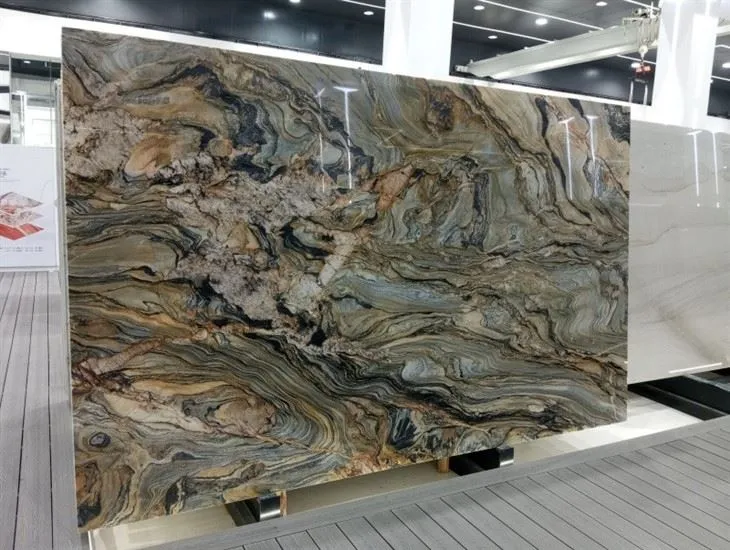
Due to its aesthetic appeal and durability, quartzite is widely used for kitchen countertops, bathroom vanities, flooring, and wall cladding. It comes in a variety of colors and patterns, from the serene Amazon Blue Quartzite Slabs with its calming blue hues to the vibrant Colorful Desert Oasis Quartzite Slab that mimics the beauty of a desert landscape. The Pandora Quartzite Slabs Indian Grey & Brown Natural Stone offers a more earthy and sophisticated look, making it a popular choice for both modern and traditional designs.
The Effects of Acid on Quartzite
Although quartzite is generally more resistant to acids compared to some other natural stones like marble, it is not completely immune. Acidic substances can etch or damage the surface of quartzite, especially if it has impurities or a lower quartz content. Common acidic substances that can come into contact with quartzite include lemon juice, vinegar, citrus fruits, and some cleaning products.
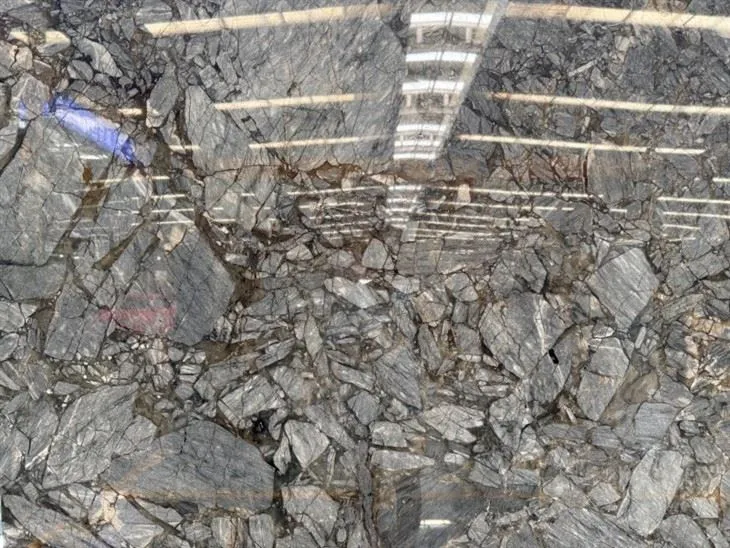
When acid reacts with quartzite, it can cause the surface to become dull, lose its shine, or develop etch marks. These marks are often visible as light - colored spots or areas where the stone's polish has been removed. In severe cases, repeated exposure to acid can lead to more significant damage, such as pitting or cracking of the surface.
Immediate Actions When Quartzite Comes into Contact with Acid
- Rinse Immediately: As soon as you notice that quartzite has come into contact with acid, the first thing you should do is rinse the affected area thoroughly with clean water. This will help to dilute the acid and prevent it from further reacting with the stone. Use a soft cloth or sponge to gently wipe away any remaining acid residue.
- Neutralize the Acid: After rinsing, you can neutralize the acid by applying a mild alkaline solution. A simple solution of baking soda and water can be effective. Mix about 1 - 2 tablespoons of baking soda with a cup of water and apply it to the affected area using a soft cloth. Let the solution sit on the stone for a few minutes to allow it to neutralize the acid. Then, rinse the area again with clean water and dry it with a soft, clean cloth.
- Assess the Damage: Once the area is dry, carefully examine the quartzite to assess the extent of the damage. If the damage is minor, such as a slight dulling of the surface, you may be able to restore the shine with some basic polishing. However, if there are visible etch marks or more significant damage, professional restoration may be required.
Long - Term Solutions for Acid - Damaged Quartzite
- Polishing: For minor damage, you can try polishing the quartzite surface using a quartzite - specific polishing powder or a mild abrasive cleaner. Follow the manufacturer's instructions carefully and use a soft, circular motion to buff the surface. This can help to remove light scratches and restore some of the shine.
- Professional Restoration: If the damage is more severe, it is advisable to seek the services of a professional stone restoration company. These experts have the tools and expertise to repair etch marks, restore the polish, and bring the quartzite back to its original condition. They may use techniques such as honing, grinding, and repolishing to achieve the best results.
- Preventive Measures: To avoid future acid damage, it is important to take preventive measures. Use coasters under glasses and cups, especially those containing acidic beverages. When cleaning quartzite, use only pH - neutral cleaning products specifically designed for natural stone. Avoid using abrasive cleaners or scrubbing pads that can scratch the surface.
Maintaining the Beauty of Quartzite
In addition to dealing with acid damage, proper maintenance is essential to keep your quartzite looking its best. Here are some general tips for maintaining quartzite:
- Regular Cleaning: Clean quartzite surfaces regularly with a soft cloth or sponge and a mild, pH - neutral cleaner. This will help to remove dirt, dust, and stains without damaging the stone.
- Sealing: Although quartzite is relatively non - porous, it is still a good idea to seal it periodically to enhance its resistance to stains and moisture. Follow the manufacturer's recommendations for the type of sealer to use and the frequency of sealing.
- Avoid Harsh Chemicals: As mentioned earlier, avoid using acidic or abrasive cleaning products on quartzite. These can damage the surface and reduce its lifespan.
Conclusion
Quartzite is a stunning and durable natural stone that can add beauty and value to any space. However, it is important to be aware of the potential risks of acid damage and know how to handle it if it occurs. By taking immediate action when acid comes into contact with quartzite, following the appropriate long - term solutions, and implementing preventive measures, you can ensure that your quartzite surfaces remain in excellent condition for years to come.
If you are interested in purchasing high - quality quartzite for your next project, I invite you to contact me for more information. We offer a wide range of quartzite products, including the Amazon Blue Quartzite Slabs, Colorful Desert Oasis Quartzite Slab, and Pandora Quartzite Slabs Indian Grey & Brown Natural Stone. Our team of experts is ready to assist you in finding the perfect quartzite for your needs and providing you with the best advice on care and maintenance.
References
- "Quartzite: A Metamorphic Rock Used for Countertops and Tile." Geology.com.
- "Care and Maintenance of Natural Stone." Marble Institute of America.