


Hey there! As a grey marble supplier, I often get asked about the water absorption rate of grey marble. It's a crucial factor that affects the marble's performance and durability, especially in different applications. So, let's dive into what the water absorption rate of grey marble is all about.
Understanding Water Absorption Rate
First things first, what exactly is the water absorption rate? Simply put, it's the amount of water a material can absorb when submerged in water for a specific period. For grey marble, this rate is measured as a percentage of the marble's dry weight. It's a key characteristic because it gives us an idea of how porous the marble is.
A low water absorption rate means the marble is less porous and more resistant to water penetration. This is super important because water can cause all sorts of problems for marble. When water seeps into the marble, it can carry dirt, stains, and even cause chemical reactions that damage the stone over time. On the other hand, a high water absorption rate indicates that the marble is more porous and may be more prone to staining and damage.
Factors Affecting the Water Absorption Rate of Grey Marble
There are several factors that can influence the water absorption rate of grey marble. One of the main factors is the mineral composition of the marble. Grey marble is made up of different minerals, and some minerals are more porous than others. For example, marble with a higher percentage of calcite may have a higher water absorption rate compared to marble with more dolomite.
The geological origin of the marble also plays a role. Marble that forms under different pressure and temperature conditions can have different pore structures, which in turn affects its water absorption rate. Additionally, the finishing process of the marble can impact its water absorption. A polished finish may make the marble less porous on the surface, reducing its water absorption rate, while a honed or rough finish may leave the pores more exposed.
Typical Water Absorption Rates of Grey Marble
In general, the water absorption rate of grey marble typically ranges from about 0.1% to 0.5%. However, this can vary depending on the specific type of grey marble. Some high - quality grey marbles may have water absorption rates as low as 0.1%, making them extremely resistant to water and ideal for applications where moisture is a concern, such as bathrooms and kitchens.
Let's take a look at some of the popular grey marbles we offer:
- Persian Silk Marble Castle Grey For Kitchen Countertops: This elegant grey marble has a relatively low water absorption rate, usually around 0.2%. Its fine grain and low porosity make it a great choice for kitchen countertops, as it can withstand spills and moisture without staining easily.
- Ocean Gold Vein Marble Slab: With a water absorption rate of approximately 0.3%, this marble is suitable for a variety of interior applications. Its beautiful gold veins add a touch of luxury, and its moderate water absorption rate ensures good durability.
- Carrara Black Marble Slab With Natural Veins: This classic grey - black marble has a water absorption rate in the range of 0.2% - 0.4%. Its unique natural veins and relatively low water absorption make it a popular choice for both residential and commercial projects.
Importance of Water Absorption Rate in Different Applications
The water absorption rate is particularly important when it comes to choosing the right grey marble for different applications.
Kitchen countertops: In the kitchen, spills are inevitable. A grey marble with a low water absorption rate like the Persian Silk Marble Castle Grey is ideal because it can resist stains from food, liquids, and cleaning agents. This ensures that your kitchen countertop stays looking beautiful for years to come.
Bathroom surfaces: Bathrooms are constantly exposed to water and humidity. A marble with a low water absorption rate will be less likely to develop mold, mildew, or stains from soaps and shampoos. It also helps to maintain the structural integrity of the marble in a wet environment.
Flooring: For flooring, especially in high - traffic areas, a low water absorption rate is crucial. It prevents water from seeping into the marble and causing it to become slippery or damaged. This makes the floor safer and more durable.
Testing the Water Absorption Rate
If you're interested in knowing the exact water absorption rate of a particular grey marble, there are standard testing methods available. One common method is the ASTM C97 test. In this test, a sample of the marble is first weighed in a dry state. Then, the sample is submerged in water for a specific period (usually 48 hours), after which it is removed, dried on the surface, and weighed again. The difference in weight before and after soaking is used to calculate the water absorption rate as a percentage of the dry weight.
How to Maintain Grey Marble Based on Its Water Absorption Rate
Once you've chosen the right grey marble for your project, it's important to maintain it properly. For marble with a low water absorption rate, regular cleaning with a mild, pH - neutral cleaner is usually sufficient. You can also apply a sealant periodically to further protect the marble from stains and moisture.
For marble with a higher water absorption rate, more care is needed. You may need to seal the marble more frequently, and be more careful about spills. Wipe up spills immediately to prevent them from seeping into the marble and causing stains.
Conclusion
So, there you have it! The water absorption rate of grey marble is an important factor to consider when choosing marble for your projects. It affects the marble's durability, resistance to staining, and suitability for different applications. Whether you're looking for a marble for your kitchen countertop, bathroom, or flooring, understanding the water absorption rate can help you make an informed decision.

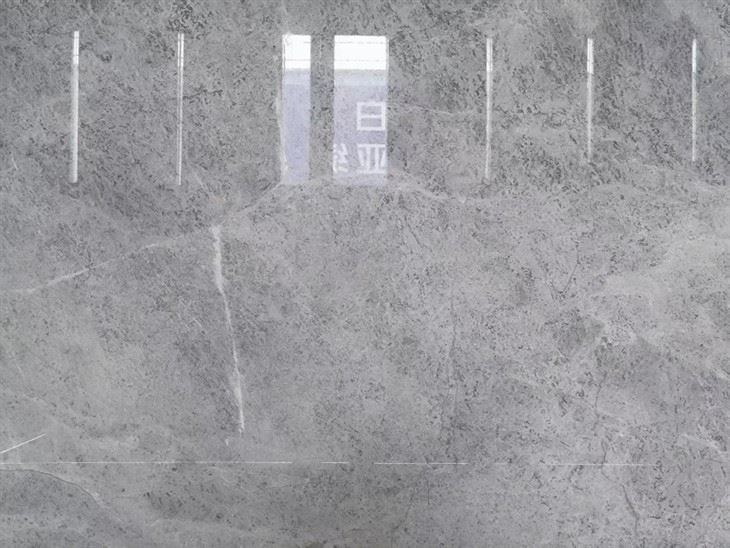
If you're interested in our grey marble products, such as the Persian Silk Marble Castle Grey For Kitchen Countertops, Ocean Gold Vein Marble Slab, or Carrara Black Marble Slab With Natural Veins, feel free to reach out to us to discuss your needs and start the procurement process. We're here to help you find the perfect grey marble for your project.
References
- ASTM International. (2019). ASTM C97 - 19: Standard Test Methods for Water Absorption, Bulk Density, Apparent Porosity, and Apparent Specific Gravity of Dimension Stone.
- National Building Museum. (2018). The Properties of Marble.