


As a seasoned supplier of grey granite, I often encounter inquiries about the thermal expansion coefficient of this remarkable natural stone. Grey granite is a popular choice for various applications, including countertops, flooring, and exterior cladding, due to its durability, aesthetic appeal, and resistance to wear and tear. Understanding the thermal expansion coefficient of grey granite is crucial for ensuring its proper installation and long-term performance, especially in environments with significant temperature variations.
What is the Thermal Expansion Coefficient?
The thermal expansion coefficient is a measure of how much a material expands or contracts in response to changes in temperature. It is typically expressed in units of length per unit length per degree Celsius (or Fahrenheit), such as micrometers per meter per degree Celsius (μm/m/°C). A higher thermal expansion coefficient indicates that a material will expand or contract more significantly with temperature changes, while a lower coefficient means that the material is more stable and less likely to experience dimensional changes.

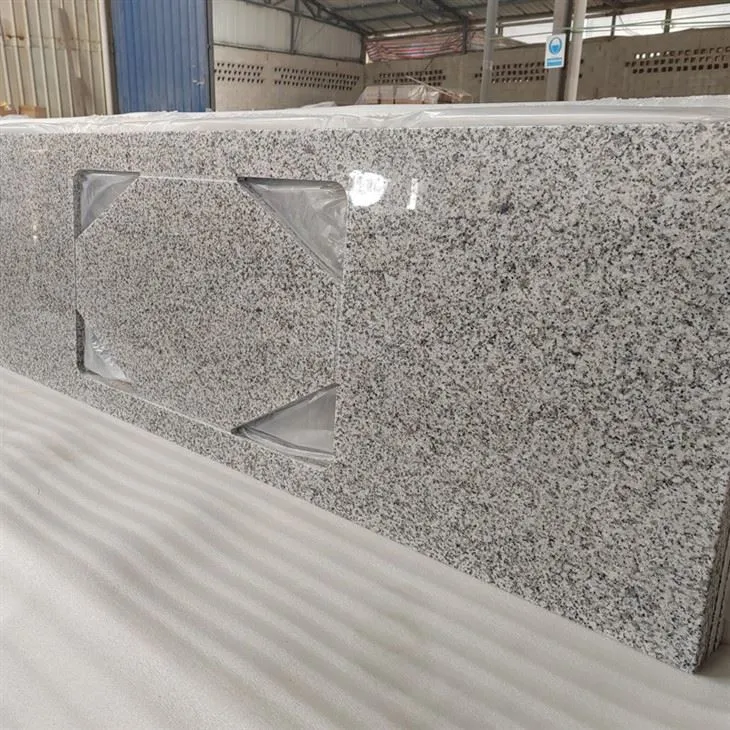
Thermal Expansion Coefficient of Grey Granite
Grey granite is a type of igneous rock composed mainly of quartz, feldspar, and mica. The thermal expansion coefficient of grey granite can vary depending on its mineral composition, grain size, and other factors. However, in general, the thermal expansion coefficient of grey granite ranges from approximately 5 to 9 μm/m/°C. This relatively low coefficient makes grey granite a stable and reliable material for use in a wide range of applications, even in areas with extreme temperature fluctuations.
Importance of Thermal Expansion Coefficient in Grey Granite Applications
Understanding the thermal expansion coefficient of grey granite is essential for several reasons, particularly in construction and design. Here are some key considerations:
Installation
During the installation of grey granite countertops, flooring, or other surfaces, it is crucial to account for thermal expansion and contraction. If the installation does not allow for sufficient movement, the granite may crack or break due to stress caused by temperature changes. For example, when installing granite countertops, it is recommended to leave a small expansion gap around the edges to accommodate any potential movement.
Structural Integrity
In large-scale construction projects, such as building facades or bridges, the thermal expansion coefficient of grey granite can impact the structural integrity of the entire structure. Engineers and architects must consider the potential expansion and contraction of the granite when designing and constructing these structures to prevent damage and ensure long-term stability.
Aesthetic Appeal
Temperature-induced expansion and contraction can also affect the aesthetic appearance of grey granite surfaces. Over time, repeated expansion and contraction can cause visible cracks or gaps in the granite, detracting from its overall beauty. By understanding the thermal expansion coefficient and taking appropriate measures, such as using flexible adhesives and sealants, it is possible to minimize the risk of such damage and maintain the aesthetic appeal of the granite.
Examples of Grey Granite Products and Their Applications
As a supplier of grey granite, I offer a wide range of products suitable for various applications. Here are some examples:
- White Ocean Grey Granite: This elegant grey granite features a unique white veining pattern, making it a popular choice for countertops, backsplashes, and interior flooring. Its low thermal expansion coefficient ensures long-term stability and durability, even in high-traffic areas.
- Golden Flower Granite Slab: With its distinctive golden flecks and grey background, this granite slab adds a touch of luxury to any space. It is commonly used for exterior cladding, wall panels, and outdoor paving, where its resistance to temperature changes and weathering makes it an ideal choice.
- Gili White Light Grey Granite: This light grey granite with a subtle white undertone is perfect for creating a modern and sophisticated look. It is often used for bathroom vanities, fireplace surrounds, and kitchen islands, providing a durable and stylish surface that can withstand daily use.
Conclusion
In conclusion, the thermal expansion coefficient of grey granite is an important factor to consider when using this natural stone in various applications. With a relatively low coefficient ranging from 5 to 9 μm/m/°C, grey granite offers excellent stability and resistance to temperature changes, making it a reliable choice for both indoor and outdoor projects. By understanding the significance of the thermal expansion coefficient and taking appropriate measures during installation and design, you can ensure the long-term performance and aesthetic appeal of your grey granite surfaces.
If you are interested in purchasing high-quality grey granite products for your next project, I invite you to contact me for more information and to discuss your specific requirements. I am committed to providing exceptional customer service and delivering the finest grey granite products at competitive prices. Let's work together to bring your vision to life!
References
- "Thermal Expansion of Rocks." Encyclopedia of Geology, edited by Murray H. Dickson, Elsevier, 2005.
- "Granite: Properties, Uses, and Formation." Geology.com, accessed [Date].
- "Understanding Thermal Expansion in Stone." Stone World, [Author], [Date].