


Grey marble is a timeless and elegant natural stone that has been used in architecture and design for centuries. Its unique color and veining patterns make it a popular choice for a variety of applications, from flooring and countertops to wall cladding and decorative accents. As a leading supplier of grey marble, we understand the importance of offering a wide range of edge profile options to meet the diverse needs of our customers. In this blog post, we will explore the different edge profile options available for grey marble and how they can enhance the beauty and functionality of your project.
1. Straight Edge
The straight edge is the most basic and common edge profile for grey marble. It is a simple, clean-cut edge that provides a classic and contemporary look. This edge profile is ideal for modern and minimalist designs, as it gives a sleek and uncluttered appearance. Straight edges are easy to clean and maintain, making them a practical choice for high-traffic areas such as kitchens and bathrooms. You can use straight-edged grey marble for countertops, flooring, and wall cladding. For example, our Polished Castle Grey Marble Slabs Tiles look stunning with a straight edge, creating a smooth and sophisticated surface.
2. Bullnose Edge
The bullnose edge is a rounded edge that provides a soft and elegant look. It is a popular choice for residential applications, as it reduces the risk of injury from sharp corners. The bullnose edge can be either a full bullnose, where the entire edge is rounded, or a half bullnose, where only the top or bottom part of the edge is rounded. This edge profile is often used for countertops, vanity tops, and stair treads. Our Polished Fendi White Marble Slab With Natural Veins with a bullnose edge adds a touch of luxury and warmth to any space.
3. Beveled Edge
A beveled edge is created by cutting a small angle along the edge of the marble. This edge profile adds a touch of sophistication and visual interest to the stone. Beveled edges can be either single beveled or double beveled, depending on the number of angles cut. Single beveled edges are more common and are typically used for a subtle effect, while double beveled edges create a more dramatic look. Beveled edges are suitable for both residential and commercial applications, such as countertops, tabletops, and wall panels. Our grey marble with a beveled edge can transform a simple design into a more stylish and upscale one.
4. Ogee Edge
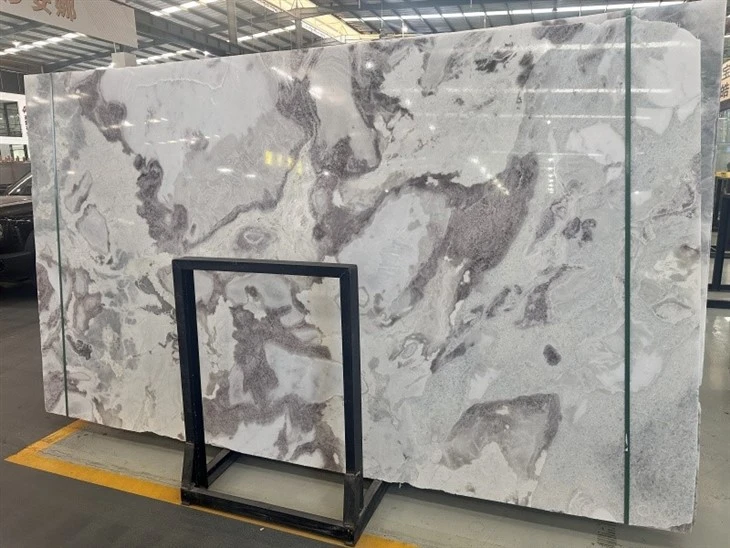
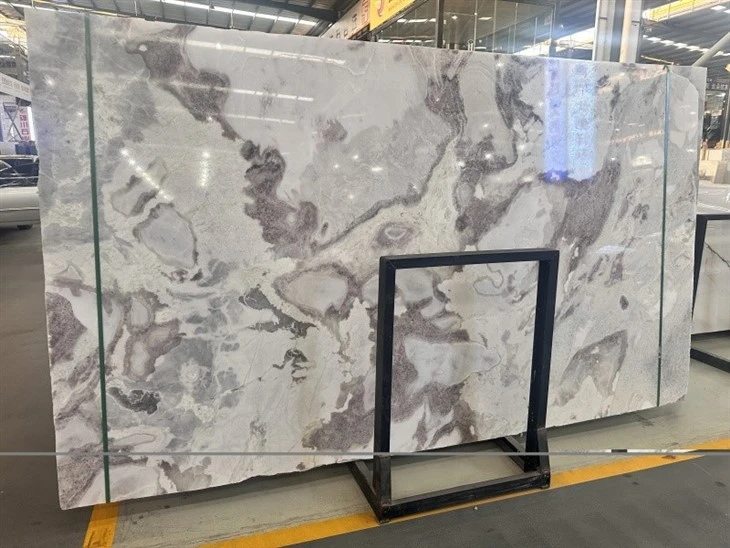
The ogee edge is a decorative edge profile that features a double curvature, resembling the letter "S". It is a classic and elegant edge that is often used in traditional and formal designs. The ogee edge adds a sense of grandeur and luxury to the grey marble. This edge profile is commonly used for high-end countertops, fireplace surrounds, and decorative accents. Our Luxury Grey Noble Orchid Marble Slab For Kitchen Countertop with an ogee edge can be the centerpiece of a luxurious kitchen.
5. Dupont Edge
The Dupont edge is a combination of a beveled edge and a bullnose edge. It has a small bevel at the top and a rounded edge at the bottom. This edge profile provides a unique and modern look that is both stylish and practical. The Dupont edge is often used for countertops and vanity tops, as it offers a smooth and comfortable edge to rest your hands on. It is also a good choice for areas where safety is a concern, as the rounded bottom reduces the risk of injury.
6. Eased Edge
The eased edge is a slightly rounded edge that is less pronounced than a bullnose edge. It is a subtle and understated edge profile that provides a soft and smooth finish. The eased edge is commonly used for flooring and wall cladding, as it gives a more natural and organic look. It is also a practical choice for areas where a sharp edge could be a hazard.
Factors to Consider When Choosing an Edge Profile
When choosing an edge profile for your grey marble, there are several factors to consider:
- Design Style: The edge profile should complement the overall design style of your project. For example, if you have a modern and minimalist design, a straight or beveled edge may be more appropriate. If you have a traditional or formal design, an ogee or bullnose edge may be a better choice.
- Functionality: Consider the function of the marble surface. For high-traffic areas or areas where safety is a concern, a rounded edge such as a bullnose or eased edge may be more suitable. For areas where you want to showcase the beauty of the marble, a decorative edge such as a beveled or ogee edge may be preferred.
- Budget: Some edge profiles are more complex and require more labor to create, which can increase the cost. Consider your budget when choosing an edge profile and choose one that offers the best balance between cost and aesthetics.
- Thickness of the Marble: The thickness of the marble can also affect the choice of edge profile. Thicker marble can support more elaborate edge profiles, while thinner marble may be limited to simpler edge profiles.
Conclusion
In conclusion, the edge profile of your grey marble can have a significant impact on the overall look and functionality of your project. By choosing the right edge profile, you can enhance the beauty of the marble and create a unique and stylish space. As a leading supplier of grey marble, we offer a wide range of edge profile options to meet the diverse needs of our customers. Whether you are looking for a classic straight edge, a luxurious ogee edge, or a modern Dupont edge, we can provide you with the perfect solution.
If you are interested in purchasing grey marble or have any questions about our edge profile options, please feel free to contact us. Our team of experts is ready to assist you in choosing the right marble and edge profile for your project. We look forward to working with you to create a beautiful and functional space that you will enjoy for years to come.
References
- "Marble Edge Profiles: A Guide to Choosing the Right One." Stone World Magazine.
- "The Art of Marble Edging." Architectural Digest.