


Travertine is a beautiful and popular natural stone that's been used in construction and design for ages. As a travertine supplier, I've seen it used in all sorts of projects, from fancy building facades to cozy home interiors. But one issue that often crops up is travertine cracking. It's a real headache for both us suppliers and the customers who've invested in this lovely stone. So, let's dig into what causes travertine to crack.
1. Natural Characteristics of Travertine
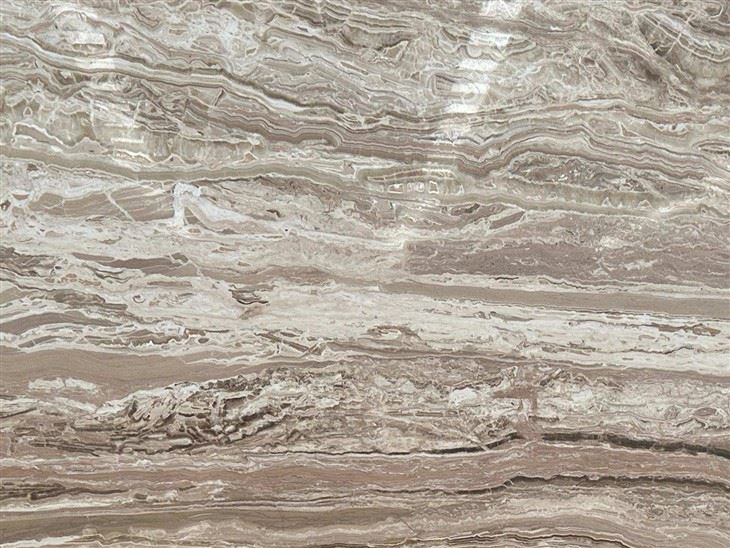
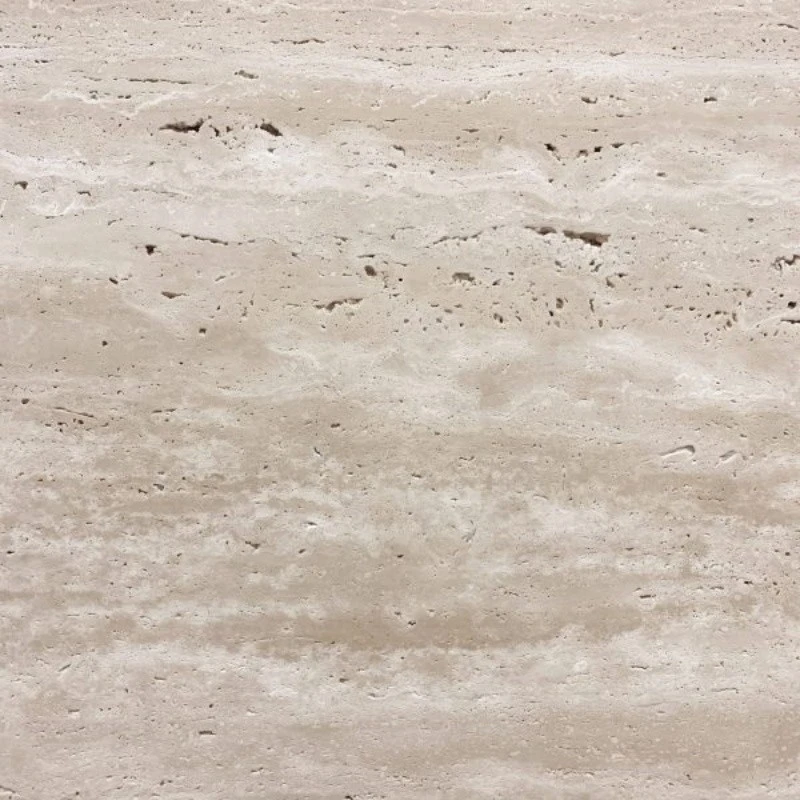
First off, we need to understand the nature of travertine itself. Travertine is a type of limestone formed by the precipitation of calcium carbonate around mineral springs. It has a porous structure, which gives it that unique, rustic look we all love. But these pores can also be a weak point.
The porous nature of travertine means it's more susceptible to water absorption. When water seeps into the pores and then freezes, it expands. This expansion creates internal pressure within the stone, which can lead to cracking. It's like when you fill a bottle with water and put it in the freezer - the water expands as it turns to ice and can break the bottle. In the same way, repeated cycles of freezing and thawing can gradually cause travertine to crack.
2. Installation Issues
A lot of times, the root cause of travertine cracking lies in the installation process. If the installation isn't done right, it can put unnecessary stress on the stone, leading to cracks.
One common problem is improper substrate preparation. The surface where the travertine is being installed needs to be flat, stable, and free of any debris. If the substrate is uneven, the travertine tiles or slabs may not sit properly, and over time, the uneven pressure can cause them to crack. For example, if there are bumps or depressions in the concrete floor where the travertine is being laid, the stone will bear more weight in some areas than others, increasing the risk of cracking.
Another installation issue is incorrect adhesive use. Using the wrong type of adhesive or not applying it evenly can also lead to problems. If the adhesive doesn't bond well with the travertine or the substrate, the stone may not be properly secured. This can cause it to shift or move slightly, which can result in cracking. And if the adhesive dries too quickly or too slowly, it can affect the bond and the overall stability of the installation.
3. Structural Movement
Buildings and structures are constantly moving, even if we can't always see it. Settlement, expansion, and contraction due to temperature changes or ground movement can all put stress on travertine.
Settlement occurs when a building's foundation shifts or sinks over time. This can happen due to factors like soil compaction, changes in groundwater levels, or poor foundation design. When the building settles, the travertine installed on it may be subjected to uneven forces, which can cause it to crack. For instance, if one side of a building settles more than the other, the travertine on that side may experience more stress and be more likely to crack.
Temperature changes also play a role. Travertine, like most materials, expands when heated and contracts when cooled. If the travertine is installed in an area where there are significant temperature fluctuations, such as an exterior wall exposed to direct sunlight during the day and cold nights, the constant expansion and contraction can cause internal stress within the stone. Over time, this stress can lead to cracking.
4. Heavy Loads and Impact
Travertine is a durable stone, but it's not indestructible. Excessive weight or sudden impacts can cause it to crack.
In commercial settings, such as shopping malls or airports, where there is a lot of foot traffic and heavy equipment movement, travertine floors may be subjected to high loads. If the travertine isn't thick enough or isn't properly supported, the constant pressure from the heavy loads can cause it to crack. For example, if a forklift drives over a travertine floor that isn't designed to handle such heavy loads, it can easily crack the stone.
Similarly, sudden impacts can also damage travertine. Dropping a heavy object on a travertine surface, like a tool or a piece of furniture, can create a shockwave that can crack the stone. Even small impacts over time can weaken the travertine and make it more prone to cracking.
5. Chemical Exposure
Travertine is sensitive to certain chemicals. Exposure to acidic substances can etch and damage the surface of the stone, making it more brittle and prone to cracking.
Acidic cleaners, for example, can react with the calcium carbonate in travertine and dissolve it. This not only dulls the surface of the stone but also weakens its structure. Over time, the weakened travertine may crack more easily. In areas where there is a lot of chemical exposure, such as industrial kitchens or laboratories, special care needs to be taken to protect the travertine from acidic substances.
How to Prevent Travertine Cracking
Now that we know what causes travertine to crack, let's talk about how to prevent it.
- Proper Installation: Make sure the installation is done by a professional who knows how to prepare the substrate correctly and use the right adhesive. They should also leave enough expansion joints to allow for the natural movement of the travertine due to temperature changes.
- Sealing: Seal the travertine to reduce water absorption and protect it from chemical damage. A good sealer can create a barrier on the surface of the stone, preventing water and chemicals from penetrating the pores.
- Avoid Heavy Loads and Impacts: In high-traffic areas, use thicker travertine tiles or slabs and provide proper support. Also, take precautions to prevent heavy objects from being dropped on the travertine surface.
- Regular Maintenance: Clean the travertine regularly using a pH-neutral cleaner and avoid using acidic substances. Inspect the travertine periodically for any signs of damage and address them promptly.
At our company, we offer a wide range of high-quality travertine products, including Beige Travertine Slab Exterior Wall, Beige Color Light Yellow Travertine Slabs Tiles, and Golden Jade Travertine Slabs & Tiles. If you're planning a project and need travertine, we can provide you with the best materials and advice to ensure a successful installation. Don't hesitate to contact us for more information or to discuss your specific requirements. We're here to help you make your project a success.
References
- "Travertine: Properties, Uses, and Durability" - Stone Industry Journal
- "Installation Guidelines for Natural Stone Tiles" - National Tile Contractors Association
- "Effects of Chemicals on Natural Stone" - International Stone Conservation Society