


As a limestone supplier, I've witnessed firsthand the beauty and versatility of this natural stone. Limestone has been a cornerstone in construction and design for centuries, adorning buildings, monuments, and homes with its timeless elegance. However, like all natural materials, limestone is susceptible to degradation over time. Understanding the signs of limestone degradation is crucial for both suppliers and customers to ensure the longevity and quality of limestone products.
Physical Changes
One of the most obvious signs of limestone degradation is physical damage. Cracks, chips, and spalling are common indicators that the limestone is under stress. These issues can occur due to a variety of factors, including improper installation, environmental conditions, and mechanical stress.
Cracks in limestone can develop over time as a result of thermal expansion and contraction. Limestone, like all materials, expands when heated and contracts when cooled. If the limestone is not properly installed with expansion joints, these natural movements can cause stress within the stone, leading to cracks. Additionally, seismic activity or heavy impacts can also cause cracks in limestone.
Chips and spalling occur when small pieces of limestone break off from the surface. This can be caused by abrasion, such as from foot traffic or cleaning with abrasive materials, or by chemical reactions that weaken the stone. Spalling is more severe than chipping and can expose the underlying layers of the limestone, making it more vulnerable to further damage.
Discoloration
Discoloration is another telltale sign of limestone degradation. Limestone is typically a light - colored stone, ranging from white to beige. Any significant change in color can indicate a problem.
One common cause of discoloration is staining. Limestone is porous, which means it can absorb liquids easily. If spills are not cleaned up promptly, they can penetrate the stone and cause permanent stains. Organic stains, such as those from food or beverages, can be particularly difficult to remove. In addition, environmental pollutants, such as sulfur dioxide and nitrogen oxides, can react with the limestone and cause it to turn yellow or brown over time.
Another form of discoloration is efflorescence. Efflorescence appears as a white, powdery substance on the surface of the limestone. It is caused by the migration of salts through the stone. When water evaporates from the limestone, it leaves behind these salts, which can accumulate on the surface and give the stone a dull, discolored appearance.
Erosion
Erosion is a gradual process that can significantly degrade limestone over time. Water is one of the primary agents of erosion in limestone. Rainwater, especially in areas with acidic precipitation, can react with the calcium carbonate in limestone and dissolve it. This process is known as chemical weathering.
In addition to chemical weathering, physical erosion can also occur. Abrasion from wind - blown sand or water - borne sediment can wear away the surface of the limestone, smoothing its edges and reducing its thickness. Over time, this can lead to a loss of detail in carved or textured limestone surfaces.
Biological Growth
Biological growth, such as moss, algae, and lichens, can also be a sign of limestone degradation. These organisms thrive in moist, shaded environments and can attach themselves to the surface of the limestone. While they may seem harmless at first, biological growth can cause several problems.
The roots of moss and lichens can penetrate the pores of the limestone, causing physical damage. Additionally, the acidic by - products of biological growth can react with the limestone and accelerate chemical weathering. This can lead to discoloration, pitting, and a general deterioration of the stone's surface.
Impact on Limestone Products
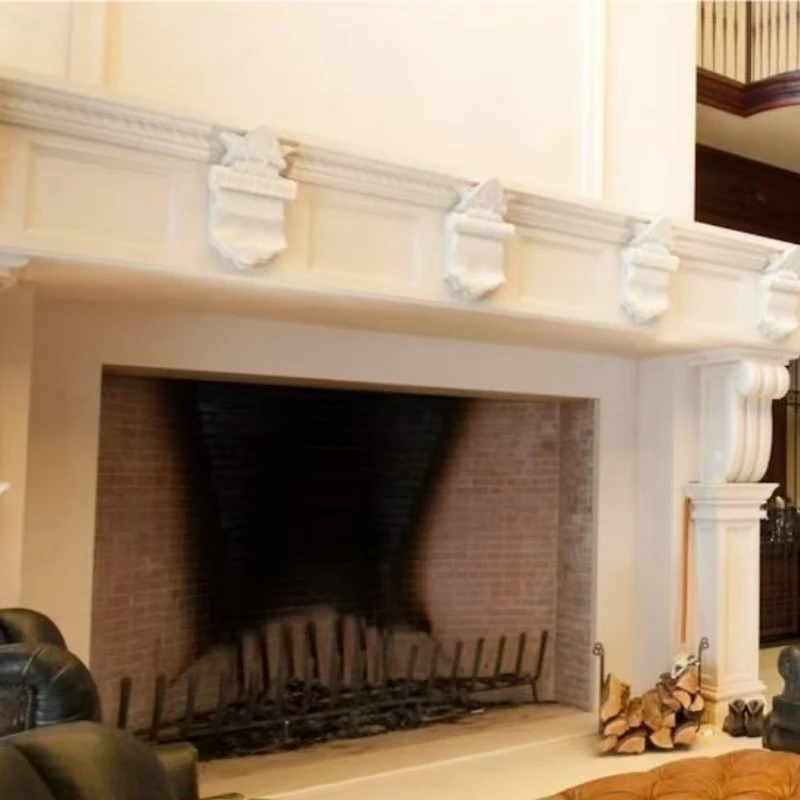
The signs of limestone degradation can have a significant impact on the performance and aesthetics of limestone products. For example, in the case of a Beige Limestone Flower Handcarved Fireplace Mantel, cracks or chips can compromise the structural integrity of the mantel and detract from its intricate design. Discoloration can make the mantel look dirty and unappealing, reducing its value.
Similarly, Moca Cream Limestone for Engineering Exterior Wall that is affected by erosion or biological growth can lose its protective properties and become more vulnerable to further damage. This can lead to costly repairs and maintenance for building owners.
White Limestone Split Face Wall Tiles are also at risk. Discoloration or efflorescence on these tiles can make a room look unkempt, while physical damage can make the tiles uneven and uncomfortable to walk on.
Preventive Measures
As a limestone supplier, I understand the importance of providing customers with information on how to prevent limestone degradation. Here are some preventive measures that can be taken:
- Proper Installation: Ensure that limestone is installed by experienced professionals who follow industry best practices. This includes using the correct adhesives, sealants, and expansion joints to prevent physical damage.
- Sealing: Applying a high - quality sealant to the limestone can help protect it from stains, moisture, and chemical reactions. Sealants should be reapplied periodically to maintain their effectiveness.
- Regular Cleaning: Clean limestone surfaces regularly using a mild, pH - neutral cleaner. Avoid using abrasive materials or harsh chemicals that can damage the stone.
- Maintenance: Inspect limestone products regularly for signs of degradation. Address any issues promptly to prevent them from worsening.
Conclusion
In conclusion, being aware of the signs of limestone degradation is essential for anyone involved in the use or supply of limestone products. By understanding these signs, customers can take proactive steps to prevent degradation and ensure the long - term beauty and performance of their limestone investments.
If you're interested in purchasing high - quality limestone products or have any questions about limestone degradation and maintenance, I encourage you to reach out for a procurement discussion. I'm here to provide you with the best advice and products to meet your needs.

References
- "The Properties and Uses of Limestone." Geology.com.
- "Stone Conservation: A Guide to Best Practice." English Heritage.
- "Limestone: A Versatile Building Material." National Building Stone Institute.