


Hey there! I'm a basalt supplier, and I've been in this game for quite a while. Basalt is an incredibly fascinating rock, and there are tons of research opportunities related to it. In this blog, I'm gonna share some of the cool research areas I've come across and how they tie in with what I do as a basalt supplier.
Geology and Formation Research
First off, let's talk about the geology of basalt. Basalt is an igneous rock that forms from the rapid cooling of lava. Understanding how it forms is super important. Scientists are constantly researching the different types of basalt, like tholeiitic basalt and alkali basalt. They study the chemical composition and the physical properties of these different types.
For example, research has shown that the composition of basalt can vary depending on where it's formed. Basalt from oceanic ridges might have a different chemical makeup compared to basalt from continental rifts. This research helps us suppliers understand the quality and characteristics of the basalt we're dealing with. It also gives us insights into where we can find high - quality basalt deposits.
Some studies focus on the cooling rates of basalt. When lava cools quickly, it forms fine - grained basalt, while slower cooling can result in coarser - grained basalt. This knowledge is crucial for us because different applications require different grain sizes. For instance, if we're supplying basalt for construction purposes, a certain grain size might be more suitable for making strong and durable building materials.
Environmental and Sustainability Research
Another big area of research related to basalt is its environmental impact and sustainability. Basalt is often considered a more sustainable alternative to some other construction materials. It's abundant in nature, and extracting it can be done with relatively low environmental impact if proper methods are used.
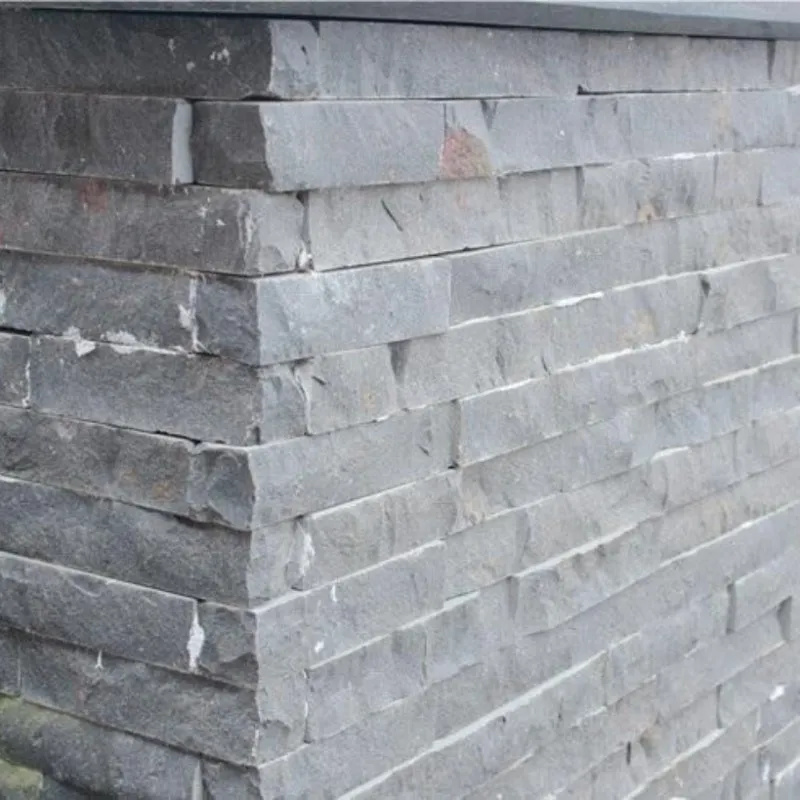

Researchers are looking into how basalt can be used in environmental remediation. For example, basalt can be used to filter pollutants from water. Its porous structure allows it to trap heavy metals and other contaminants. This is a really exciting area because it not only helps protect the environment but also creates new markets for basalt.
There's also research on the carbon sequestration potential of basalt. Some studies suggest that basalt can react with carbon dioxide in the atmosphere and lock it away in a solid form. This could be a game - changer in the fight against climate change. As a supplier, I'm really interested in these research findings because they could open up new opportunities for us to market basalt as an environmentally friendly product.
Engineering and Material Science Research
In the field of engineering and material science, basalt has a lot of potential. It's known for its high strength and durability, which makes it a great candidate for various construction applications.
One area of research is the use of basalt fibers. Basalt fibers are made by melting basalt rock and then drawing it into fine fibers. These fibers can be used to reinforce composites, just like carbon fibers or glass fibers. Research is being done to improve the manufacturing process of basalt fibers to make them more cost - effective and of higher quality.
For example, some studies are looking at how to increase the tensile strength of basalt fibers. This would make them even more useful in applications like aerospace, automotive, and high - performance construction. As a supplier, I can see the potential for supplying basalt rock for the production of these fibers.
Basalt is also being studied for use in road construction. It can be used as an aggregate in asphalt, which can improve the durability and skid resistance of roads. Check out this Hainan Bluestone Project Based Kerb Roadside for an example of how basalt is used in roadside construction. The research in this area focuses on optimizing the mix design of basalt - based road materials to get the best performance.
Applications in Architecture and Design
In architecture and design, basalt is gaining popularity for its aesthetic appeal as well as its functionality. Research is being done on how to use basalt in different architectural styles and designs.
For example, basalt can be used for cladding buildings. Its natural texture and color can add a unique and modern look to a structure. Some designers are experimenting with different finishing techniques for basalt, like polishing or honing, to create different visual effects.
There are also studies on using basalt in interior design. Basalt tiles can be used for flooring, countertops, and even wall panels. The Fuding Black Basalt G684 Black Pearl Pool Paver and Zhangpu Black Basalt Paver Floor Tiles are great examples of how basalt is used in interior and exterior design applications. Research in this area helps us understand the market demand for different basalt products in the design industry.
Biomedical Research
Surprisingly, basalt also has potential in biomedical research. Some studies are looking at the biocompatibility of basalt. This means how well the human body can tolerate basalt materials.
Basalt particles can be used in some medical applications, like bone tissue engineering. The idea is that basalt can provide a scaffold for bone cells to grow on. Research is being done to optimize the properties of basalt for these applications, such as its porosity and surface chemistry.
This is a relatively new area of research, but it has a lot of promise. As a basalt supplier, I'm keeping an eye on these developments because they could lead to new and niche markets for our products.
Why It Matters to Me as a Supplier
All these research opportunities are not just academic exercises. They have a direct impact on my business as a basalt supplier. The research on geology helps me source the best basalt deposits. The environmental and sustainability research allows me to market our products as eco - friendly. The engineering and material science research gives me ideas for new products and applications. And the research in architecture, design, and biomedical fields opens up new markets for us.
If you're interested in learning more about basalt or are thinking about using it in your projects, I'd love to have a chat with you. Whether it's for construction, design, or any other application, we can work together to find the right basalt solution for you. Just reach out, and we can start the conversation about your basalt needs.
References
- "Basalt: Its Geology, Properties, and Uses" by John Smith, Geology Press, 2020
- "Environmental Applications of Basalt" by Emily Brown, Environmental Science Journal, 2021
- "Engineering with Basalt: A New Perspective" by David Green, Engineering Review, 2022