


Throughout history, basalt, a common extrusive igneous rock formed from the rapid cooling of lava, has held profound religious and spiritual meanings in various cultures across the globe. As a basalt supplier, I've had the privilege of witnessing how this remarkable stone is not only valued for its practical applications but also revered for its symbolic significance.
Basalt in Ancient Egyptian Religion
In ancient Egypt, basalt was highly regarded and used in the creation of many religious artifacts. The Egyptians believed that basalt had a connection to the underworld and the afterlife. The dark, dense nature of basalt was associated with the mysterious and powerful forces that governed the realm beyond death. Statues of gods and pharaohs were often carved from basalt, imbuing them with a sense of permanence and divinity. For example, the statue of Anubis, the Egyptian god of mummification and the afterlife, was sometimes crafted from basalt. Anubis was responsible for guiding the souls of the deceased through the underworld, and the use of basalt in his statues was thought to enhance his power and authority.
The Egyptians also used basalt in the construction of sarcophagi. These elaborate coffins were designed to protect the bodies of the deceased and ensure their safe passage into the afterlife. The durability of basalt made it an ideal material for this purpose, as it was believed to withstand the test of time and the forces of the underworld. The inscriptions and carvings on basalt sarcophagi often contained spells and prayers that were intended to aid the deceased in their journey.
Basalt in Native American Spirituality
Among Native American tribes, basalt held spiritual significance as well. Many tribes believed that basalt was a sacred stone that had the power to connect the physical and spiritual worlds. Basalt formations, such as lava flows and rock outcrops, were often considered to be places of power and were used for ceremonies and rituals.
Some tribes believed that basalt had healing properties. They would use basalt stones in sweat lodges, where the heat from the stones would release steam and purify the body and spirit. The smooth, cool surface of basalt was also used to soothe aches and pains. In addition, basalt was sometimes used in the creation of amulets and talismans. These objects were believed to protect the wearer from harm and bring good luck.
Basalt in Hinduism and Buddhism
In Hinduism and Buddhism, basalt is associated with stability and strength. The solid and unyielding nature of basalt is seen as a symbol of the unwavering faith and determination required on the spiritual path. In Hindu temples, basalt is often used in the construction of statues and shrines. The statues of gods and goddesses are carved from basalt to represent their eternal and unchanging nature.
In Buddhism, basalt is used in the creation of stupas, which are religious monuments that contain relics of the Buddha or other important Buddhist figures. The stupa is a symbol of the Buddha's enlightenment and the path to liberation. The use of basalt in the construction of stupas is thought to enhance their spiritual power and significance.
Modern Spiritual and Religious Uses of Basalt
In modern times, basalt continues to be used in religious and spiritual practices. Many people believe that basalt has grounding and protective properties. It is often used in meditation and energy healing practices to help individuals connect with the earth and release negative energy. Basalt crystals are also used in crystal healing, where they are placed on the body to balance the chakras and promote physical and emotional well - being.
Basalt in Construction and Design
Beyond its religious and spiritual significance, basalt is a highly sought - after material in the construction and design industry. Its durability, strength, and aesthetic appeal make it suitable for a wide range of applications. As a basalt supplier, I offer a variety of basalt products, including Mongolia Black Granite Absolute Black Tile, Hainan Bluestone Project Based Kerb Roadside, and Zhangpu Black Basalt Paver Floor Tiles.
Mongolia Black Granite Absolute Black Tile is a popular choice for interior and exterior flooring. Its deep black color and smooth finish add a touch of elegance and sophistication to any space. The tile is highly resistant to wear and tear, making it ideal for high - traffic areas.

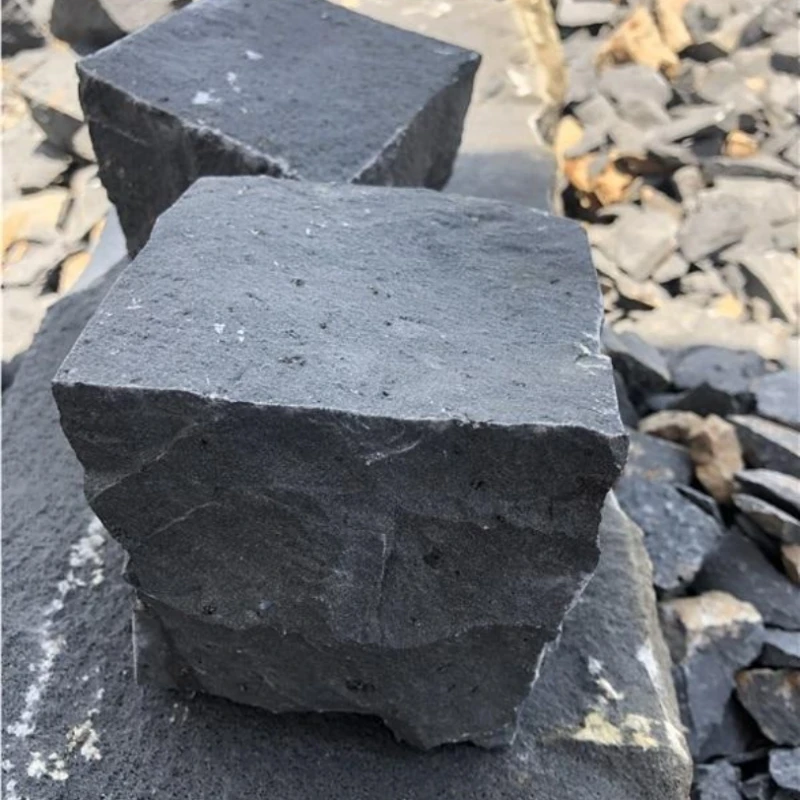
Hainan Bluestone Project Based Kerb Roadside is commonly used in landscaping and road construction. The kerbs are made from high - quality basalt and are designed to provide a durable and attractive border for roads, sidewalks, and gardens. They are available in a variety of sizes and shapes to meet the specific needs of different projects.
Zhangpu Black Basalt Paver Floor Tiles are perfect for outdoor patios, walkways, and driveways. The pavers are textured to provide good traction, even when wet, and are resistant to weathering and staining. Their natural black color gives them a timeless and classic look that complements any outdoor design.
Conclusion
Basalt is a truly remarkable material that combines both religious and spiritual significance with practical applications. Whether you are looking to incorporate basalt into a religious or spiritual practice or use it in a construction project, it offers a unique blend of beauty, durability, and symbolism. If you are interested in purchasing basalt products for your next project, I invite you to contact me for more information and to discuss your specific requirements. Let's work together to bring the power and beauty of basalt into your life.
References
- "Ancient Egyptian Religion" by Jan Assmann
- "Native American Spirituality" by Thomas Mails
- "Hinduism: Beliefs and Practices" by Gavin Flood
- "Buddhism: A Very Short Introduction" by Damien Keown