


Hey there! As a limestone supplier, I've got a ton of knowledge about the different types of limestone out there. Limestone is an incredibly versatile and widely used natural stone, and in this blog, I'm gonna break down some of the most common types and their unique features.
1. Travertine Limestone
Travertine is a type of limestone that forms around mineral springs. It's known for its distinctive porous texture, which gives it a rustic and natural look. Travertine has been used for centuries in architecture, from the ancient Romans who used it to build the Colosseum to modern - day buildings.
One of the great things about travertine is its color range. You can find it in shades of cream, beige, gold, and even red. The porous nature of travertine makes it a great choice for creating a textured surface, whether it's for flooring, wall cladding, or outdoor paving.
If you're looking for a travertine - based product for your exterior wall, check out Germany Limestone Decoration Exterior Wall Cladding. This type of cladding can add a touch of elegance and durability to your building's exterior.
2. Oolitic Limestone
Oolitic limestone is made up of small spherical grains called ooids. These ooids are formed by the precipitation of calcium carbonate around a nucleus, usually a sand grain or a shell fragment. The result is a stone with a unique, granular appearance.
Oolitic limestone is often used in construction because of its strength and durability. It has a relatively uniform texture, which makes it suitable for carving and shaping. It's also a popular choice for building facades, as it can give a building a classic and timeless look.
3. Fossiliferous Limestone
As the name suggests, fossiliferous limestone contains a large number of fossils. These fossils can range from tiny shell fragments to large, well - preserved marine creatures. Fossiliferous limestone is not only a beautiful natural stone but also a window into the past.
This type of limestone is often used in decorative applications, such as fireplace mantels. The fossils add a unique and interesting element to the stone, making each piece one - of - a - kind. If you're interested in a fossil - rich limestone fireplace mantel, take a look at Beige Limestone Flower Handcarved Fireplace Mantel. It combines the beauty of fossils with the artistry of hand - carving.
4. Dolomitic Limestone
Dolomitic limestone is a type of limestone that contains a significant amount of dolomite, a mineral composed of calcium magnesium carbonate. It has a slightly different chemical composition compared to regular limestone, which gives it some unique properties.
Dolomitic limestone is more resistant to acid rain and weathering than regular limestone. This makes it a great choice for outdoor applications, such as paving and landscaping. It also has a slightly different color and texture, often with a more muted tone compared to other types of limestone.
5. Chalk
Chalk is a soft, white form of limestone. It's made up of the microscopic remains of marine plankton called coccolithophores. Chalk has a very fine - grained texture and is relatively easy to work with.
Chalk has been used for a variety of purposes throughout history, from writing on blackboards to creating art. In construction, it can be used as a filler or an ingredient in cement. It's also sometimes used in decorative applications, where its soft, white color can create a clean and elegant look.

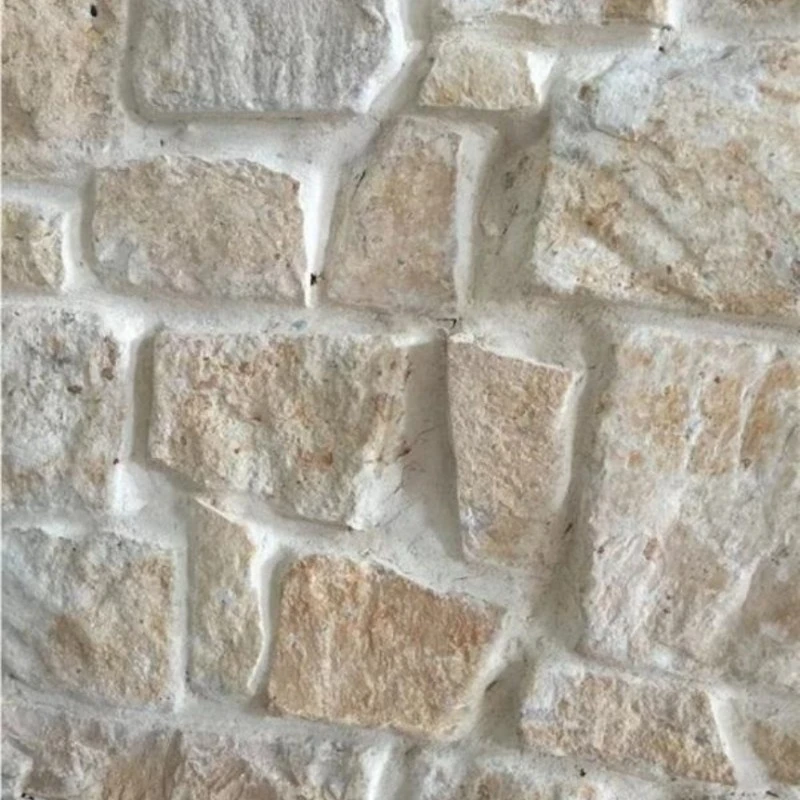
6. Spanish Yellow Limestone
Spanish yellow limestone is a popular choice for many homeowners and designers. It has a warm, inviting color that ranges from light yellow to golden brown. This type of limestone is quarried in Spain and is known for its high quality and durability.
Spanish yellow limestone is often used for flooring, countertops, and wall tiles. Its natural color and texture can add a touch of Mediterranean charm to any space. If you're interested in Spanish yellow limestone tiles, check out Natural Spain Yellow Limestone Tiles. These tiles are perfect for creating a warm and inviting atmosphere in your home.
7. Marbleized Limestone
Marbleized limestone is a type of limestone that has a similar appearance to marble. It's formed when limestone undergoes a process of recrystallization, which gives it a more uniform and veined appearance.
Marbleized limestone is a great alternative to marble, as it's often more affordable and easier to maintain. It can be used in a variety of applications, from bathroom vanities to kitchen countertops. The veined pattern in marbleized limestone adds a touch of luxury and sophistication to any space.
Why Choose Our Limestone?
As a limestone supplier, we take pride in offering high - quality limestone products. We source our limestone from the best quarries around the world, ensuring that each piece meets our strict quality standards. Whether you're looking for a specific type of limestone for a construction project or a decorative piece for your home, we've got you covered.
Our team of experts can help you choose the right type of limestone for your needs. We can also provide you with information on installation, maintenance, and care. We believe in building long - term relationships with our customers, and we're committed to providing excellent customer service.
If you're interested in purchasing limestone from us, don't hesitate to get in touch. We're here to answer any questions you might have and to help you with your limestone needs. Whether you're a contractor, a designer, or a homeowner, we can work with you to find the perfect limestone solution for your project.
Conclusion
Limestone is an amazing natural stone with a wide range of types and uses. From the rustic charm of travertine to the historical significance of fossiliferous limestone, there's a type of limestone for every taste and application. As a limestone supplier, we're excited to offer these beautiful and versatile stones to our customers.
If you're thinking about using limestone in your next project, take the time to explore the different types available. Consider the look, durability, and cost of each type, and choose the one that best suits your needs. And remember, if you have any questions or need help with your purchase, we're just a message away.
References
- "Limestone: Rock Uses, Formation, Composition, Pictures" by Geology.com
- "The Building Stone Institute - Limestone Information"
- "Encyclopedia of Geology" edited by Murray H. N.