


Quartzite is a metamorphic rock that has gained significant popularity in the world of sculptures in recent years. As a quartzite supplier, I've witnessed firsthand the allure of this stone for artists and sculptors. Its unique patterns, hardness, and durability make it an attractive choice. However, using quartzite for sculptures is not without its challenges. In this blog, I'll delve into the various difficulties that sculptors may encounter when working with quartzite.
Hardness and Brittleness
One of the most prominent characteristics of quartzite is its hardness. Quartzite is composed mainly of quartz grains, which are tightly interlocked during the metamorphic process. On the Mohs scale of mineral hardness, quartzite typically ranges from 7 to 8, making it harder than many other common rocks used in sculpture, such as limestone or sandstone.
This hardness can be both a blessing and a curse. On one hand, it means that a finished quartzite sculpture will be highly resistant to wear and tear, scratches, and weathering, ensuring its longevity. On the other hand, the extreme hardness makes the carving process extremely difficult. Traditional carving tools that work well on softer stones may quickly become dull when used on quartzite. Sculptors often need to invest in specialized diamond - tipped tools, which are more expensive and require careful handling.
Moreover, quartzite can be brittle. Despite its hardness, it may crack or chip unexpectedly during the carving process. A sudden impact or an uneven application of pressure can cause a fracture, ruining hours or even days of work. This brittleness also limits the types of delicate details that can be achieved in a quartzite sculpture. For instance, creating thin, intricate features like flowing hair or fine lacework is much more challenging compared to using a more malleable material.
Color and Pattern Consistency
Quartzite comes in a wide range of colors and patterns, from the soft, creamy tones of Pandora White Luxury Quartzite Slab to the bold, blue - veined Crystal Blue Quartzite Iceberg Blue. These natural variations are part of the stone's charm, but they can also pose challenges for sculptors.
When planning a large - scale sculpture or a series of related sculptures, achieving color and pattern consistency can be difficult. Each block of quartzite has its own unique veining and color distribution, which means that it may be hard to find multiple pieces that match perfectly. Even within a single block, the color and pattern can change from one end to the other. This lack of consistency can be a problem if the sculptor is aiming for a cohesive look or a specific aesthetic effect.
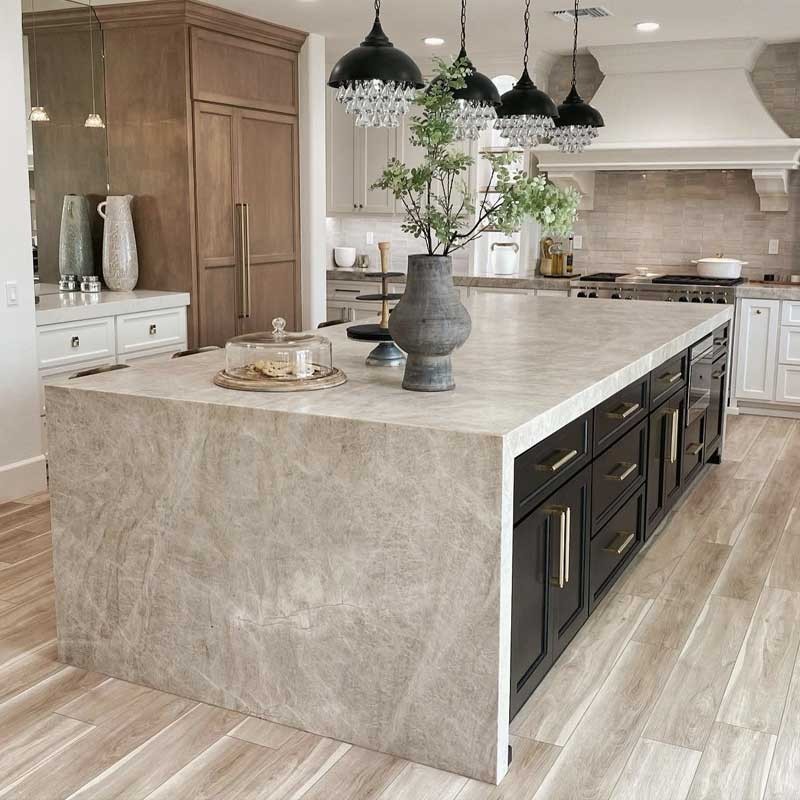

In addition, the natural patterns in quartzite can sometimes interfere with the intended design of the sculpture. For example, a prominent vein may run through an area where the sculptor wants to create a smooth, featureless surface. In such cases, the sculptor has to either work around the vein or risk damaging the stone while trying to remove it.
Weight and Transport
Quartzite is a dense and heavy material. A large block of quartzite can weigh several tons, which presents significant challenges in terms of handling and transport. Moving the stone from the quarry to the sculptor's studio requires specialized equipment, such as cranes and heavy - duty trucks. These transportation costs can be substantial, especially if the quarry is located far from the studio.
Once the stone is in the studio, moving it around during the carving process can also be a logistical nightmare. Sculptors need to have a proper workspace with enough floor strength to support the weight of the stone. They may also need to use lifting equipment to reposition the stone as they work on different sides.
After the sculpture is completed, transporting it to its final destination is another hurdle. The weight and fragility of the quartzite sculpture mean that it requires careful packaging and handling to prevent damage during transit. Specialized shipping companies with experience in transporting large, heavy artworks are often needed, which further adds to the overall cost.
Environmental and Health Concerns
The process of working with quartzite can have environmental and health implications. Cutting, grinding, and polishing quartzite generate a significant amount of dust. This dust contains silica, which is a known carcinogen. Prolonged exposure to silica dust can lead to serious health problems, such as silicosis, lung cancer, and other respiratory diseases.
Sculptors need to take proper safety precautions, such as wearing respirators, goggles, and protective clothing. They also need to have adequate ventilation systems in their studios to remove the dust from the air. Additionally, the waste generated during the carving process, such as stone chips and dust, needs to be disposed of properly to avoid environmental pollution.
Cost
All of the above - mentioned challenges contribute to the high cost of using quartzite for sculptures. The price of quartzite itself can be relatively high, especially for high - quality, visually appealing blocks. The need for specialized tools, transportation, and safety equipment adds to the overall expenses.
For emerging or independent sculptors, these costs can be prohibitive. They may have to limit the size or complexity of their projects due to budget constraints. Even established sculptors need to carefully consider the cost - benefit ratio when choosing quartzite for a particular sculpture.
Conclusion
Despite the numerous challenges, quartzite remains a highly sought - after material for sculptures. Its beauty, durability, and unique natural characteristics make it a rewarding choice for many artists. As a quartzite supplier, I understand the difficulties that sculptors face, and I'm committed to providing high - quality quartzite and relevant support to help them overcome these challenges.
If you're a sculptor interested in working with quartzite or are simply curious about our products, I encourage you to reach out to us for more information. We can discuss your specific needs, provide samples, and offer guidance on choosing the right quartzite for your project. Whether you're planning a small, delicate piece or a large - scale public sculpture, we're here to assist you every step of the way.
References
- "Stone Carving: A Comprehensive Guide" by John Smith
- "Metamorphic Rocks and Their Applications" by Emily Johnson
- Industry reports on the use of quartzite in sculpture from various geological and artistic organizations.