


Grey granite is a popular choice for various construction and decorative projects due to its durability, aesthetic appeal, and versatility. As a leading grey granite supplier, I understand the importance of properly sealing grey granite to enhance its performance and longevity. In this blog post, I will share some valuable insights on how to seal grey granite effectively.
Understanding Grey Granite
Before delving into the sealing process, it's essential to have a basic understanding of grey granite. Grey granite is an igneous rock composed mainly of quartz, feldspar, and mica. It comes in a variety of shades, from light grey to dark charcoal, and often features unique veining and patterns that add to its visual appeal.
Grey granite is known for its hardness and resistance to scratches, heat, and stains. However, it is still porous to some extent, which means it can absorb liquids and contaminants over time. Sealing grey granite helps to protect its surface from stains, moisture, and other forms of damage, ensuring that it retains its beauty and functionality for years to come.

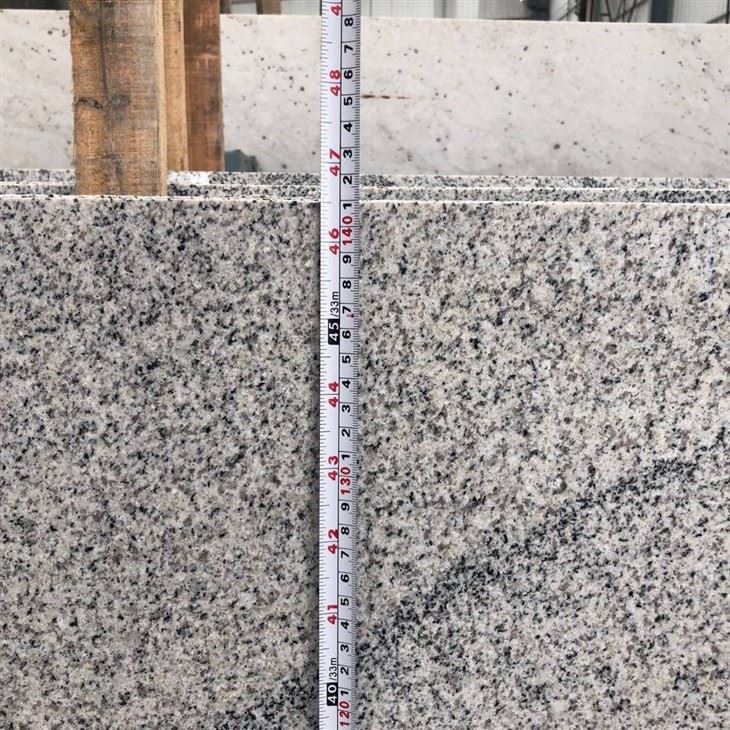
Types of Grey Granite Sealer
There are two main types of grey granite sealers: penetrating sealers and topical sealers.
- Penetrating Sealers: Penetrating sealers are absorbed into the pores of the granite, forming an invisible barrier that prevents liquids from penetrating the surface. They do not change the appearance of the granite and are ideal for maintaining the natural look and feel of the stone. Penetrating sealers are available in both water-based and solvent-based formulations.
- Topical Sealers: Topical sealers form a protective layer on the surface of the granite, providing a more visible and durable barrier against stains and damage. They can enhance the color and shine of the granite, but they may also make the surface more slippery. Topical sealers are typically made of acrylic, polyurethane, or epoxy.
When choosing a grey granite sealer, it's important to consider the type of granite, the location of the installation, and the desired level of protection. It's also recommended to test the sealer on a small, inconspicuous area of the granite before applying it to the entire surface.
Preparing the Granite Surface
Proper surface preparation is crucial for achieving optimal results when sealing grey granite. Here are the steps to follow:
- Clean the Granite: Start by thoroughly cleaning the granite surface to remove any dirt, dust, grease, or other contaminants. Use a mild, pH-neutral granite cleaner and a soft-bristled brush or sponge to scrub the surface. Rinse the granite with clean water and allow it to dry completely.
- Repair any Damage: Inspect the granite for any cracks, chips, or other damage. If necessary, repair the damage using a granite repair kit or by hiring a professional stone restoration service.
- Etch the Granite (Optional): If the granite has a polished finish, you may need to etch the surface to improve the adhesion of the sealer. Etching involves using a chemical solution to roughen the surface of the granite slightly. Follow the manufacturer's instructions carefully when etching the granite.
Applying the Sealer
Once the granite surface is clean and dry, it's time to apply the sealer. Here are the steps to follow:
- Choose the Right Application Method: The application method will depend on the type of sealer you are using. Penetrating sealers are typically applied using a spray bottle, roller, or brush, while topical sealers are usually applied using a roller or brush.
- Apply the Sealer: Follow the manufacturer's instructions for applying the sealer. In general, you should apply the sealer in a thin, even coat, working in small sections at a time. Make sure to cover the entire surface of the granite, including the edges and corners.
- Allow the Sealer to Penetrate: After applying the sealer, allow it to penetrate the granite for the recommended amount of time. This can range from a few minutes to several hours, depending on the type of sealer and the porosity of the granite.
- Wipe off Excess Sealer: Once the sealer has penetrated the granite, use a clean, dry cloth to wipe off any excess sealer. Make sure to remove all of the excess sealer to prevent it from drying on the surface of the granite and leaving a sticky residue.
- Apply Additional Coats (Optional): Depending on the type of sealer and the level of protection you desire, you may need to apply additional coats of sealer. Follow the manufacturer's instructions for applying additional coats, and allow each coat to dry completely before applying the next one.
Curing and Maintenance
After applying the sealer, it's important to allow it to cure properly before using the granite surface. The curing time can range from a few hours to several days, depending on the type of sealer and the environmental conditions. During the curing period, avoid using the granite surface and keep it dry.
Once the sealer has cured, you can start using the granite surface as normal. However, it's still important to maintain the granite properly to ensure its long-term performance and appearance. Here are some tips for maintaining sealed grey granite:
- Clean the Granite Regularly: Use a mild, pH-neutral granite cleaner and a soft-bristled brush or sponge to clean the granite surface regularly. Avoid using abrasive cleaners, scouring pads, or harsh chemicals, as these can damage the sealer and the granite.
- Wipe up Spills Immediately: If a spill occurs on the granite surface, wipe it up immediately with a clean, dry cloth. This will prevent the spill from penetrating the sealer and staining the granite.
- Avoid Standing Water: Do not allow standing water to accumulate on the granite surface for extended periods of time. This can cause the sealer to break down and the granite to become damaged.
- Reapply the Sealer Periodically: Over time, the sealer will wear off and need to be reapplied. The frequency of reapplication will depend on the type of sealer, the level of use, and the environmental conditions. In general, it's recommended to reapply the sealer every 1-3 years.
Conclusion
Sealing grey granite is an important step in protecting its surface from stains, moisture, and other forms of damage. By following the steps outlined in this blog post, you can ensure that your grey granite is properly sealed and maintained for years to come.
As a grey granite supplier, I offer a wide range of high-quality grey granite products, including Bala Flower Granite, White Ocean Grey Granite, and Gili White Light Grey Granite. If you are interested in purchasing grey granite for your next project, please feel free to contact me to discuss your options and get a quote.
References
- "Granite Sealing Guide." The Stone Store.
- "How to Seal Granite Countertops." This Old House.
- "Sealing Granite: A Complete Guide." Marble.com.