


Grey granite is a popular choice for both residential and commercial applications due to its durability, aesthetic appeal, and unique texture. However, one common issue that many grey granite users face is the appearance of water spots. These spots can mar the beauty of the granite and make it look dull and unappealing. As a grey granite supplier, I understand the importance of maintaining the pristine condition of our products. In this blog post, I will share some effective tips on how to prevent water spots on grey granite.
Understanding Water Spots on Grey Granite
Before we delve into the prevention methods, it's essential to understand what causes water spots on grey granite. Water spots are typically formed when water containing dissolved minerals, such as calcium and magnesium, evaporates on the surface of the granite. As the water evaporates, these minerals are left behind, creating a white or cloudy residue on the granite. This residue can be difficult to remove and can become more prominent over time if not addressed promptly.
Regular Cleaning and Maintenance
One of the most effective ways to prevent water spots on grey granite is through regular cleaning and maintenance. Here are some steps you can take:
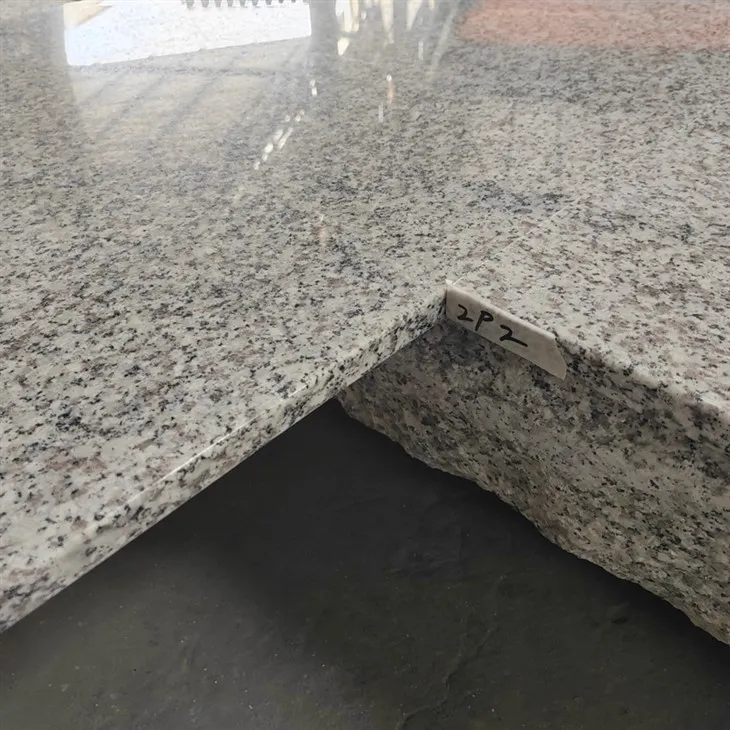

- Wipe up spills immediately: Whenever water spills on the granite surface, make sure to wipe it up as soon as possible. Use a clean, dry cloth to absorb the water and prevent it from evaporating and leaving behind mineral deposits.
- Clean with a mild detergent: Use a mild, pH-neutral detergent specifically formulated for granite surfaces. Avoid using harsh chemicals or abrasive cleaners, as they can damage the granite and make it more susceptible to water spots. Mix the detergent with warm water and use a soft cloth or sponge to clean the granite surface. Rinse thoroughly with clean water and dry with a soft, lint-free cloth.
- Seal the granite regularly: Sealing the granite helps to create a protective barrier that prevents water and other liquids from penetrating the surface. It also makes it easier to clean and maintain the granite. Most granite surfaces need to be sealed every 1 - 2 years, depending on the level of use and the type of sealer used. Follow the manufacturer's instructions when applying the sealer, and make sure to allow it to dry completely before using the granite surface.
Proper Use and Handling
In addition to regular cleaning and maintenance, proper use and handling of grey granite can also help prevent water spots. Here are some tips:
- Use coasters and placemats: When placing glasses, mugs, or other containers on the granite surface, always use coasters or placemats to prevent water from coming into direct contact with the granite. This is especially important for hot or cold beverages, as the temperature difference can cause condensation, which can lead to water spots.
- Avoid leaving wet items on the granite: Do not leave wet sponges, towels, or other items on the granite surface for an extended period of time. These items can trap moisture against the granite and increase the risk of water spots. Make sure to dry them thoroughly before placing them on the granite.
- Be careful with cleaning tools: When cleaning the granite surface, use soft, non - abrasive cleaning tools such as microfiber cloths or soft sponges. Avoid using steel wool or other abrasive materials, as they can scratch the granite and make it more prone to water spots.
Choosing the Right Grey Granite
Not all grey granite is created equal when it comes to resistance to water spots. Some types of grey granite are more porous than others, which means they are more likely to absorb water and develop water spots. When choosing grey granite for your project, consider the following:
- Porosity: Look for grey granite with a low porosity. Granite with a lower porosity is less likely to absorb water and other liquids, which reduces the risk of water spots. You can ask your supplier about the porosity of the granite or have it tested if necessary.
- Quality: Choose high - quality grey granite from a reputable supplier. High - quality granite is less likely to have imperfections or cracks that can allow water to penetrate the surface. For example, our Gili White Light Grey Granite is known for its high quality and low porosity, making it a great choice for applications where water spot prevention is important.
Dealing with Existing Water Spots
If you already have water spots on your grey granite, don't worry. There are several ways to remove them:
- Vinegar solution: Mix equal parts of white vinegar and water in a spray bottle. Spray the solution onto the water spots and let it sit for a few minutes. Then, use a soft cloth or sponge to gently scrub the spots. Rinse thoroughly with clean water and dry with a soft cloth.
- Commercial granite cleaner: There are many commercial granite cleaners available on the market that are specifically designed to remove water spots and other stains from granite surfaces. Follow the manufacturer's instructions when using these cleaners.
- Professional cleaning: If the water spots are stubborn and difficult to remove, you may need to hire a professional granite cleaning service. They have the tools and expertise to clean and restore your granite surface to its original condition.
Conclusion
Preventing water spots on grey granite requires a combination of regular cleaning, proper use and handling, and choosing the right type of granite. By following the tips outlined in this blog post, you can keep your grey granite looking beautiful and free of water spots for years to come. As a grey granite supplier, we are committed to providing high - quality products and helping our customers maintain the best condition of their granite. If you are interested in purchasing grey granite for your project or have any questions about water spot prevention, please feel free to contact us for more information and to discuss your specific needs. We look forward to working with you on your next project.
References
- "Granite Care and Maintenance Guide", National Kitchen and Bath Association
- "The Science of Stone: Understanding Granite Porosity", Stone World Magazine