


As a seasoned green marble supplier, I've witnessed firsthand the increasing demand for this exquisite natural stone in the global market. Green marble, with its unique patterns and captivating hues, has become a popular choice for various applications, from luxury home decor to high - end commercial projects. However, determining the quality of green marble is crucial for both suppliers and buyers to ensure that they are getting the best value for their investment. In this blog post, I'll share some key methods and factors to consider when measuring the quality of green marble.
Visual Inspection
The first step in assessing the quality of green marble is a thorough visual inspection. This involves examining the surface of the marble slab for any visible flaws, including cracks, chips, stains, or uneven color distribution. High - quality green marble should have a smooth, uniform surface without any major blemishes.
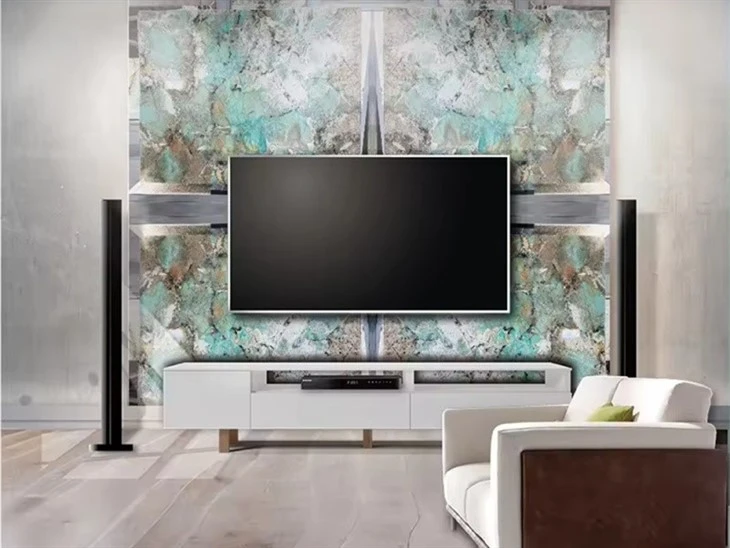
Color is another important aspect of visual inspection. Green marble comes in a wide range of shades, from light minty greens to deep emerald hues. The color should be consistent throughout the slab, and any veining or patterns should be well - defined and aesthetically pleasing. For instance, our Dandong Green Marble Slab features a beautiful, consistent green color with elegant veining that adds a touch of sophistication to any space.
Hardness and Durability
Hardness is a critical factor in determining the quality of green marble. Marble is a relatively soft natural stone compared to granite, but a higher level of hardness indicates better durability and resistance to scratches and wear. The Mohs scale is commonly used to measure the hardness of minerals, with marble typically ranging from 3 to 5 on the scale.
To test the hardness of green marble, you can use a simple scratch test. However, it's important to perform this test on an inconspicuous area of the slab to avoid damaging the surface. A harder marble will be less likely to scratch, making it more suitable for high - traffic areas such as floors or countertops. Our Natural Green Marble For Home Decor is known for its good hardness and durability, making it a reliable choice for long - term use in residential settings.
Porosity
Porosity refers to the amount of tiny holes or pores in the marble. A lower porosity indicates that the marble is less likely to absorb liquids, which is important for preventing stains and damage. To measure the porosity of green marble, you can perform a simple water absorption test.
Place a few drops of water on the surface of the marble and observe how quickly it is absorbed. If the water beads up and does not penetrate the surface, the marble has low porosity and is of higher quality. On the other hand, if the water is quickly absorbed, the marble is more porous and may require more frequent sealing to protect it from stains. Our Luxe Emerald Green Marble Slab has relatively low porosity, ensuring that it remains beautiful and stain - resistant over time.
Chemical Composition
The chemical composition of green marble can also affect its quality. Marble is primarily composed of calcium carbonate, but the presence of other minerals can influence its color, hardness, and durability. For example, the presence of iron oxide can give the marble a reddish or brownish tint, while the presence of magnesium can increase its hardness.
Advanced testing methods, such as X - ray diffraction or chemical analysis, can be used to determine the exact chemical composition of the marble. However, these tests are usually more expensive and time - consuming. As a supplier, we work closely with reliable laboratories to ensure that our green marble meets the highest quality standards in terms of chemical composition.
Density
Density is another important factor to consider when measuring the quality of green marble. A higher density generally indicates a more compact and durable stone. To measure the density of marble, you can use a simple formula: density = mass/volume.
A denser marble will be less likely to crack or break under pressure, making it more suitable for heavy - duty applications. When selecting green marble for large - scale projects, such as building facades or monuments, density becomes an even more critical consideration.
Finish Quality
The finish of the green marble can significantly impact its appearance and overall quality. There are several types of finishes available, including polished, honed, brushed, and flamed.
A polished finish gives the marble a shiny, reflective surface that enhances its natural beauty and color. It is commonly used for countertops, floors, and wall claddings in high - end settings. A honed finish, on the other hand, provides a smooth, matte surface that is more resistant to scratches and fingerprints. It is a popular choice for areas where a more subtle look is desired.
When evaluating the finish quality, pay attention to the uniformity of the finish across the entire slab. Any streaks, unevenness, or dull spots can indicate a lower - quality finish.
Origin and Quarrying Practices
The origin of the green marble can also have an impact on its quality. Different quarries around the world produce marble with unique characteristics, depending on the local geological conditions. Some quarries are known for producing high - quality marble with consistent color and pattern, while others may have more variable quality.
In addition to the origin, the quarrying practices also play a role in the quality of the marble. Responsible quarrying methods ensure that the marble is extracted with minimal damage and that the environment is protected. As a supplier, we source our green marble from reputable quarries that adhere to strict quality and environmental standards.
Conclusion
Measuring the quality of green marble is a multi - faceted process that involves a combination of visual inspection, physical testing, and consideration of various factors such as hardness, porosity, chemical composition, density, finish quality, and origin. By paying attention to these details, both suppliers and buyers can make informed decisions and ensure that they are getting the best possible green marble for their projects.
If you're interested in purchasing high - quality green marble for your next project, I encourage you to reach out to us. We have a wide range of green marble products, including Dandong Green Marble Slab, Natural Green Marble For Home Decor, and Luxe Emerald Green Marble Slab. Our team of experts is ready to assist you in selecting the perfect marble and answering any questions you may have. Contact us today to start the procurement process and bring the beauty of green marble into your space.

References
- "Marble: A Comprehensive Guide to Properties, Uses, and Care" by Stone Industry Association
- "Natural Stone Handbook" by Building Materials Research Institute