


Balancing the coldness of white marble with warm elements is an art that can transform any space into a harmonious and inviting environment. As a supplier of high - quality white marble, I've witnessed firsthand the challenges and opportunities that come with using this elegant yet sometimes stark material. In this blog, I'll share some insights on how to achieve that perfect balance, along with showcasing some of our exquisite white marble products.
Understanding the Coldness of White Marble
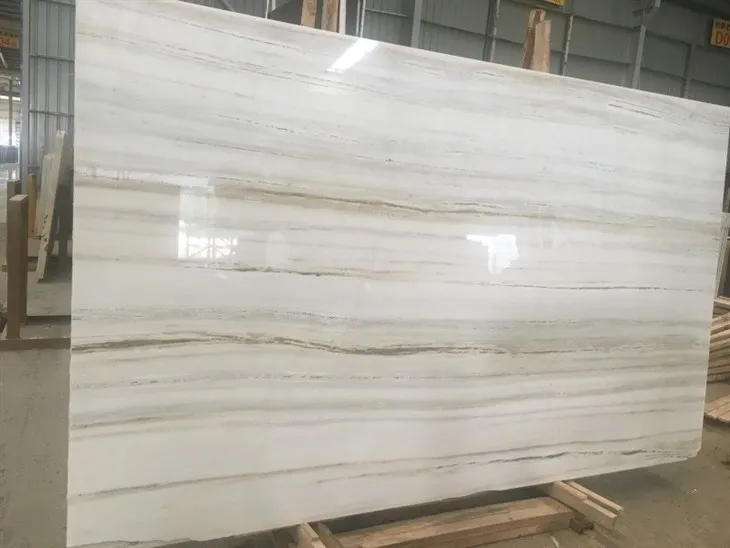
White marble is renowned for its timeless beauty, purity, and sophistication. Its smooth surface, veined patterns, and reflective qualities make it a popular choice for luxury interiors, from kitchens and bathrooms to grand foyers. However, one of the drawbacks of white marble is its inherent coldness. The cool tones and hard texture can sometimes make a space feel sterile or uninviting, especially in large quantities.
The coldness of white marble is not just a visual perception; it's also a tactile one. Marble has a relatively high thermal conductivity, which means it feels cold to the touch. This can be a concern in areas where people are likely to come into direct contact with the surface, such as floors or countertops.

Incorporating Warm Elements
To counteract the coldness of white marble, we can introduce a variety of warm elements into the design. These elements can be both visual and tactile, creating a multi - sensory experience that warms up the space.
Natural Wood
Wood is a classic warm element that pairs beautifully with white marble. Its organic texture, rich colors, and natural grain add a sense of warmth and authenticity to the space. For example, a wooden dining table placed on a white marble floor can create a striking contrast. The warmth of the wood softens the coldness of the marble, making the dining area more inviting. You can also use wooden cabinets in a white marble kitchen. The combination of the smooth, cool marble countertops and the warm, textured wood cabinets creates a balanced and harmonious look.
Textiles
Textiles are another effective way to add warmth to a space with white marble. Rugs, curtains, and upholstered furniture can introduce softness and color. A thick, plush rug on a white marble floor not only adds warmth underfoot but also adds a layer of visual interest. Curtains in warm, earthy tones can frame a window and soften the overall look of a room. Upholstered chairs in a living room with white marble accents can provide a comfortable and inviting seating area.
Warm Lighting
Lighting plays a crucial role in setting the mood of a space. Warm - toned lighting can significantly reduce the perceived coldness of white marble. Instead of harsh, white fluorescent lights, opt for soft, yellow - toned bulbs. Table lamps, floor lamps, and pendant lights can create a cozy and intimate atmosphere. For example, a pendant light with a warm glow hanging over a white marble dining table can make the dining experience more enjoyable. Wall sconces in a hallway with white marble walls can add a touch of warmth and elegance.
Earthy Tones and Colors
Incorporating earthy tones such as beige, brown, and terracotta can warm up a white marble space. These colors can be used in wall paint, decorative accessories, or even in the veining of the marble itself. For instance, a wall painted in a warm beige color can complement a white marble fireplace. Decorative items like vases, sculptures, or wall art in earthy tones can add pops of color and warmth to the room.
Showcasing Our White Marble Products
As a white marble supplier, we offer a wide range of products that can be used in various design projects. Here are some of our featured products:
- Genuine Jade Sea Marble Slab With Polished Surface: This marble slab features a unique veining pattern that resembles the waves of the sea. The polished surface gives it a smooth and shiny finish, making it perfect for countertops, floors, or wall cladding.
- Star White Grey Vein Marble Decoration: With its star - like grey veins on a white background, this marble is ideal for creating a dramatic and elegant look. It can be used in bathrooms, foyers, or as a decorative feature in a living room.
- Ariston White Modern Simplicity Marble: This marble offers a clean and modern aesthetic. Its simple yet elegant design makes it suitable for contemporary interiors. It can be used in kitchens, offices, or any space where a minimalist look is desired.
Design Examples
Let's take a look at some real - life design examples of how to balance white marble with warm elements.
Kitchen Design
In a modern kitchen, the countertops are made of Ariston White Modern Simplicity Marble. The cool, white surface is complemented by wooden cabinets in a rich brown color. A pendant light with a warm glow hangs over the island, creating a focal point. A rug in a warm, geometric pattern is placed in front of the sink, adding a touch of softness and color. The combination of the white marble, wood, and warm lighting makes the kitchen a comfortable and inviting place to cook and entertain.
Bathroom Design
In a luxurious bathroom, the walls and floors are clad in Genuine Jade Sea Marble Slab With Polished Surface. To warm up the space, a wooden vanity with a marble top is installed. A fluffy bath mat in a warm beige color is placed in front of the bathtub. Soft, warm - toned wall sconces provide a relaxing and inviting atmosphere. The contrast between the cold marble and the warm wood and textiles creates a spa - like experience.
Conclusion
Balancing the coldness of white marble with warm elements is essential for creating a comfortable and inviting space. By incorporating natural wood, textiles, warm lighting, and earthy tones, we can transform a white marble - dominated area into a harmonious and welcoming environment. As a white marble supplier, we are committed to providing high - quality products that can be used in these creative design solutions.
If you are interested in our white marble products and want to discuss your project, please feel free to contact us. We are here to help you bring your design vision to life.
References
- Interior Design: Style and Space by Mary Gilliatt
- The Elements of Interior Design by John Pile