


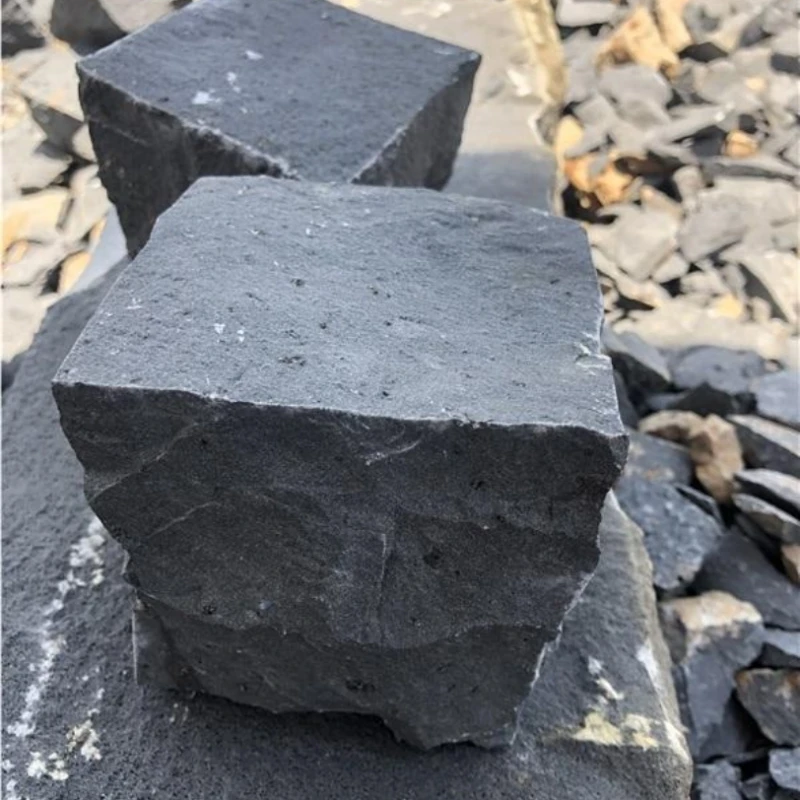
Hey there! As a marble supplier, I've dealt with all sorts of marbles, from the elegant Spanish Dark Emperador Brown Marble Slabs Spanish Dark Emperador Brown Marble Slabs to the unique Coffee Wooden Vein Brown Marble Slabs Coffee Wooden Vein Brown Marble Slabs, and even the durable Zhangpu Black Basalt Paver Floor Tiles Zhangpu Black Basalt Paver Floor Tiles. One of the most common questions I get from customers is how to store marbles properly. Well, let me share some tips and tricks I've picked up over the years.
Understanding Marble
First things first, we need to understand what marble is. Marble is a natural stone formed from limestone that has been subjected to heat and pressure over millions of years. It's known for its beauty, durability, and versatility, which makes it a popular choice for various applications, including countertops, flooring, and decorative pieces. However, marble is also a porous material, which means it can absorb liquids and stains easily. This is why proper storage is crucial to maintain its quality and appearance.
Storage Conditions
Temperature and Humidity
Marble is sensitive to temperature and humidity changes. Extreme temperatures can cause the marble to expand or contract, leading to cracks or warping. High humidity can also promote the growth of mold and mildew, which can damage the marble's surface. Ideally, marbles should be stored in a cool, dry place with a stable temperature between 50°F and 70°F (10°C and 21°C) and a relative humidity of around 40% to 60%.
Light Exposure
Prolonged exposure to direct sunlight can cause the color of the marble to fade over time. To prevent this, store marbles in a shaded area or use UV-resistant covers. If you're storing marbles outdoors, make sure they're protected from the elements, such as rain, snow, and wind.
Ventilation
Good ventilation is essential to prevent the buildup of moisture and odors. Make sure the storage area has proper air circulation to keep the marbles dry and fresh. You can use fans or open windows to improve ventilation.
Storage Methods
Stacking
When stacking marbles, it's important to use proper support to prevent them from cracking or chipping. Place a soft, non-abrasive material, such as felt or rubber pads, between each layer of marble to cushion the weight and prevent scratching. Stack the marbles in a stable, vertical position to avoid putting too much pressure on the edges.
Shelving
If you have limited space or want to display your marbles, shelving is a great option. Use sturdy shelves made of wood or metal that can support the weight of the marbles. Make sure the shelves are level and secure to prevent the marbles from falling. You can also use dividers or partitions to separate different types of marbles and keep them organized.
Crating
For long-term storage or transportation, crating is the best option. Use high-quality crates made of wood or plastic that are specifically designed for storing marbles. Line the crates with foam or bubble wrap to protect the marbles from damage. Label the crates clearly with the type, size, and quantity of marbles inside.
Cleaning and Maintenance
Regular Cleaning
Regular cleaning is essential to keep marbles looking their best. Use a soft, damp cloth or sponge to wipe the surface of the marbles. Avoid using abrasive cleaners or scrubbers, as they can scratch the marble's surface. For stubborn stains, you can use a mild detergent or a specialized marble cleaner. Make sure to rinse the marbles thoroughly with clean water and dry them with a soft cloth.
Sealing
Sealing the marbles can help protect them from stains and moisture. Apply a high-quality marble sealer according to the manufacturer's instructions. The frequency of sealing depends on the type of marble and its usage. Generally, it's recommended to seal marbles every 1 to 3 years.
Inspection
Regularly inspect the marbles for any signs of damage, such as cracks, chips, or stains. If you notice any issues, address them immediately to prevent further damage. You can repair minor cracks and chips using a marble repair kit, or consult a professional for more serious damage.
Handling and Transporting
Lifting
When lifting marbles, use proper lifting techniques to avoid injury. Bend your knees and lift with your legs, not your back. Use lifting straps or a forklift to lift heavy marbles. Make sure the lifting equipment is in good condition and rated for the weight of the marbles.
Transporting
If you're transporting marbles, make sure they're properly secured to prevent them from shifting or moving during transit. Use padding and restraints to protect the marbles from impact and vibration. If you're transporting marbles over long distances, consider using a professional shipping company that specializes in transporting fragile items.
Conclusion
Proper storage of marbles is essential to maintain their quality and appearance. By understanding the properties of marble, providing the right storage conditions, using appropriate storage methods, and following proper cleaning and maintenance procedures, you can ensure that your marbles stay in top condition for years to come.

If you're interested in purchasing high-quality marbles or have any questions about marble storage, feel free to reach out. We're here to help you find the perfect marble for your project and provide you with all the information you need to take care of it.
References
- "Marble: A Natural Stone Guide." Stone World, 2023.
- "Proper Storage and Handling of Natural Stone." Marble Institute of America, 2023.
- "How to Clean and Maintain Marble." This Old House, 2023.