


Hey there! As a basalt supplier, I often get asked if basalt can be used for roofing. Well, the short answer is yes, but there's a lot more to it than that. In this blog post, I'm going to dive deep into the world of basalt roofing, exploring its pros and cons, installation process, and more. So, let's get started!
What is Basalt?
First things first, let's talk about what basalt is. Basalt is a common extrusive igneous rock formed from the rapid cooling of lava at the Earth's surface. It's known for its durability, strength, and resistance to weathering. Basalt comes in a variety of colors, including black, gray, and brown, and it has a fine-grained texture.
Why Use Basalt for Roofing?
There are several reasons why basalt can be a great choice for roofing. Here are some of the key benefits:
- Durability: Basalt is incredibly durable and can withstand extreme weather conditions, including high winds, heavy rain, and hailstorms. It's also resistant to fire, rot, and pests, making it a long-lasting roofing material.
- Energy Efficiency: Basalt has excellent insulation properties, which can help to reduce energy costs by keeping your home cool in the summer and warm in the winter.
- Aesthetic Appeal: Basalt has a unique and attractive appearance that can enhance the curb appeal of your home. It comes in a variety of colors and textures, so you can choose the one that best suits your style.
- Low Maintenance: Basalt roofing requires very little maintenance, which can save you time and money in the long run. You simply need to clean it occasionally to remove dirt and debris.
Types of Basalt Roofing
There are several types of basalt roofing available, each with its own unique features and benefits. Here are some of the most common types:

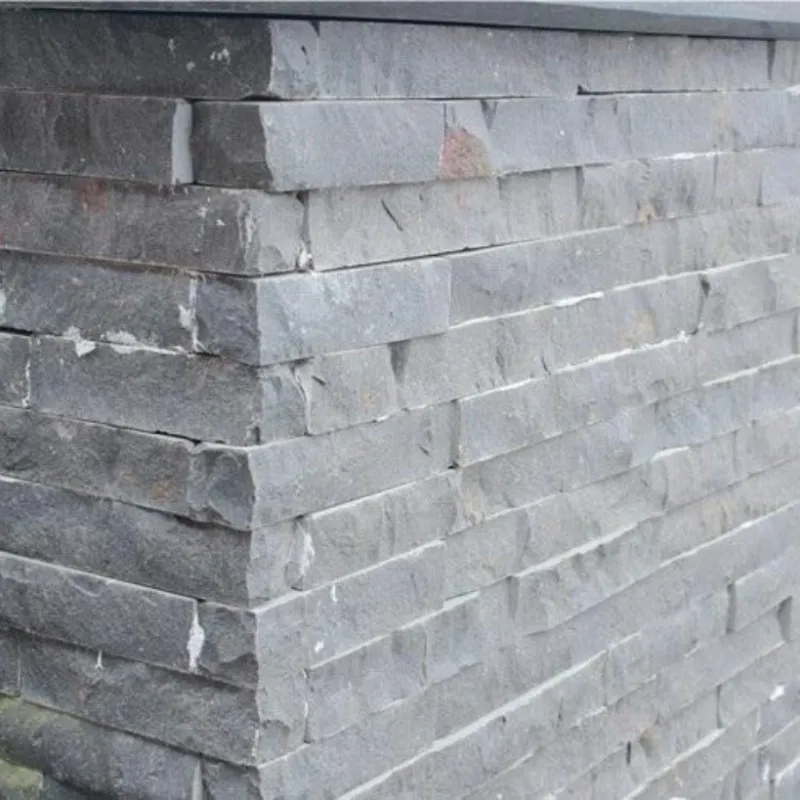
- Basalt Shingles: Basalt shingles are a popular choice for roofing because they are easy to install and come in a variety of colors and styles. They are also relatively lightweight, which can reduce the load on your roof.
- Basalt Tiles: Basalt tiles are a more traditional roofing material that has been used for centuries. They are heavy and durable, and they can add a classic and elegant look to your home.
- Basalt Slates: Basalt slates are similar to tiles, but they are thinner and more flexible. They are often used for roofing in areas with high winds or heavy snowfall because they can withstand the pressure.
Installation Process
The installation process for basalt roofing will depend on the type of roofing material you choose. However, here are the general steps involved:
- Inspect the Roof: Before installing basalt roofing, it's important to inspect the roof to make sure it's in good condition. You should look for any signs of damage or wear, and make any necessary repairs.
- Prepare the Roof: Once the roof has been inspected, you need to prepare it for the installation of the basalt roofing. This may involve removing the old roofing material, cleaning the roof surface, and installing a waterproof underlayment.
- Install the Basalt Roofing: The next step is to install the basalt roofing material. This may involve nailing or stapling the shingles or tiles to the roof, or using a special adhesive to attach the slates.
- Seal the Edges: After the basalt roofing has been installed, you need to seal the edges to prevent water from leaking in. This may involve using a sealant or flashing to cover the joints and seams.
- Inspect the Installation: Once the installation is complete, you should inspect the roof to make sure it's installed correctly. You should look for any signs of damage or leaks, and make any necessary repairs.
Cost
The cost of basalt roofing will depend on several factors, including the type of roofing material you choose, the size of your roof, and the complexity of the installation. However, in general, basalt roofing is more expensive than traditional roofing materials, such as asphalt shingles.
Pros and Cons
Like any roofing material, basalt has its pros and cons. Here are some of the key advantages and disadvantages:
Pros
- Durability: Basalt is incredibly durable and can last for decades.
- Energy Efficiency: Basalt has excellent insulation properties, which can help to reduce energy costs.
- Aesthetic Appeal: Basalt has a unique and attractive appearance that can enhance the curb appeal of your home.
- Low Maintenance: Basalt roofing requires very little maintenance, which can save you time and money in the long run.
Cons
- Cost: Basalt roofing is more expensive than traditional roofing materials, such as asphalt shingles.
- Weight: Basalt roofing is heavy, which can require additional support for your roof.
- Installation: The installation of basalt roofing can be complex and time-consuming, which can increase the cost of installation.
Where to Find Basalt Roofing Materials
If you're interested in using basalt for your roofing, you can find basalt roofing materials at your local home improvement store or online. Here are some of the products we offer as a basalt supplier:
- Hainan Bluestone Project Based Kerb Roadside
- Fuding Black Basalt G684 Black Pearl Pool Paver
- Zhangpu Black Basalt Paver Floor Tiles
Conclusion
In conclusion, basalt can be a great choice for roofing if you're looking for a durable, energy-efficient, and aesthetically pleasing roofing material. However, it's important to consider the cost, weight, and installation process before making a decision. If you have any questions or would like to learn more about basalt roofing, please don't hesitate to contact us. We'd be happy to help you find the right roofing material for your home.
References
- "Basalt: Igneous Rock - Pictures, Definition & More." Geology.com, 2023, https://geology.com/rocks/basalt.shtml.
- "Roofing Materials: Types, Costs & Benefits." HomeAdvisor, 2023, https://www.homeadvisor.com/r/roofing-materials/.